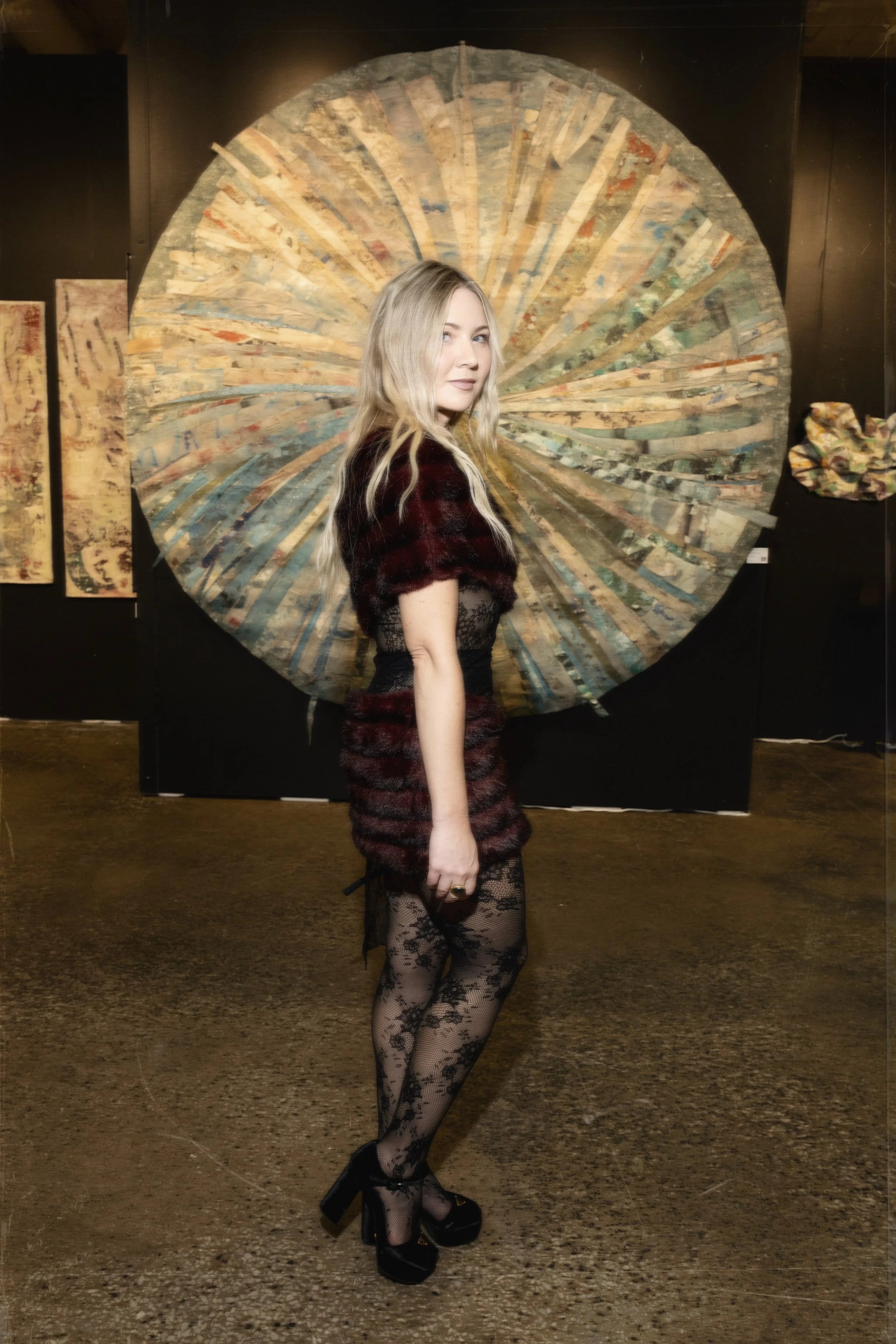
Why the future of art fairs depends on creating the next generation of collectors.
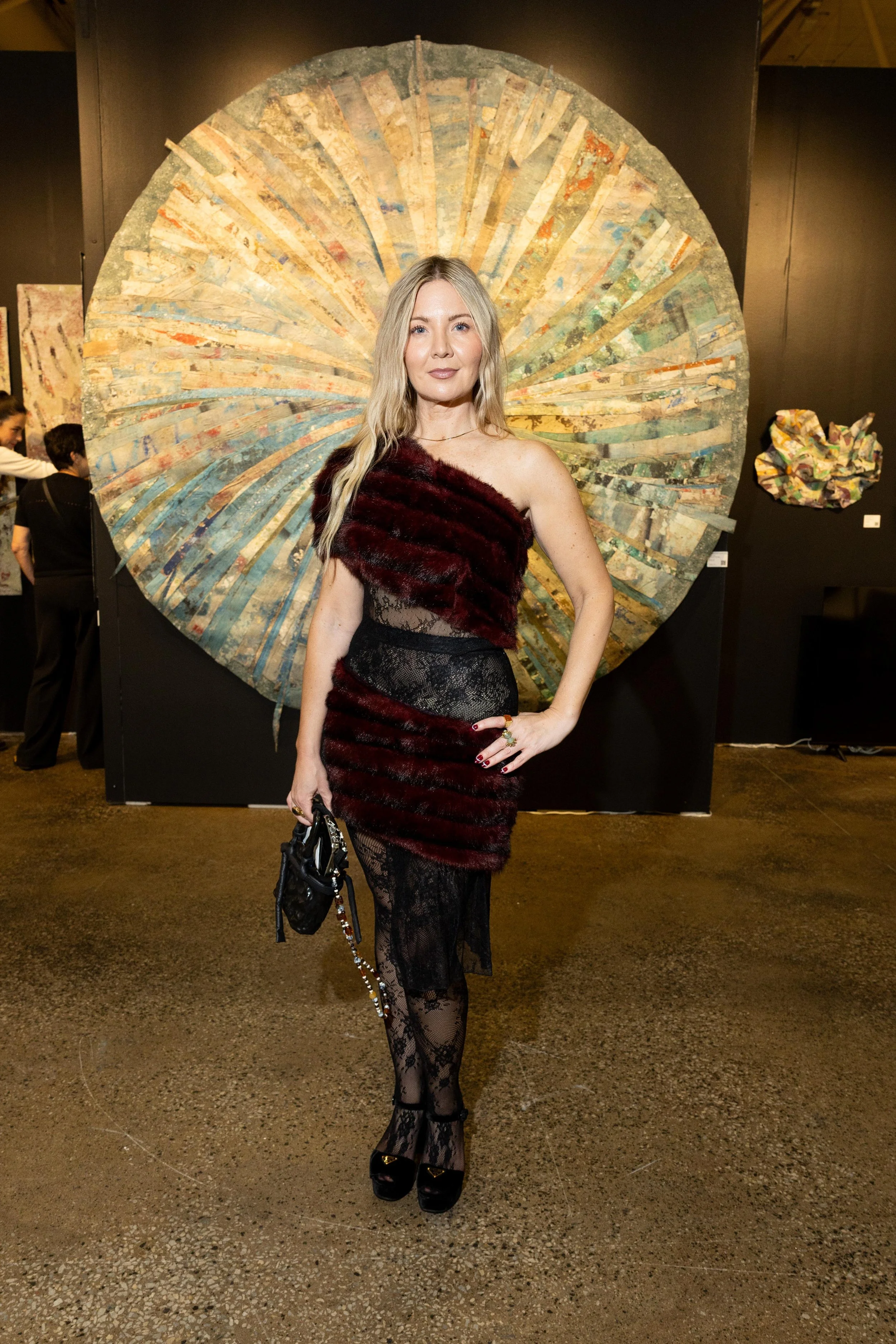
In 2016, I bought a painting by Cindy Phenix from Hugues Charbonneau gallery at Art Toronto. The work was titled Fetishize in the Car Port.
I had purchased art before, but this was different. This was the turning point.
I remember standing at the fair, completely captivated by the painting. Another collector was also interested, and suddenly there was a sense of urgency. I knew I wanted it.
The problem? I didn't really have the money.
Buying it meant negotiating an instalment plan and committing to something that, financially, felt like a stretch. But I followed my gut.
And it was exhilarating.
There's something about buying art that requires you to trust your intuition. That immediate, almost inexplicable connection to a work. You don't always know why you love something. You just do.
But intuition doesn't mean going in blind. You can research the artist, understand their practice, speak to the gallery, explore their exhibition history and ask questions. Now more than ever, there are incredible resources available to help determine whether what you're feeling is supported by what you're learning.
Ten years later, I still absolutely LOVE that painting. I've had people offer to buy it for considerably more than I paid.
I'm not selling.
Its value to me goes far beyond what someone is willing to pay. It represents a moment when I trusted myself, took a chance and became more confident as a collector.
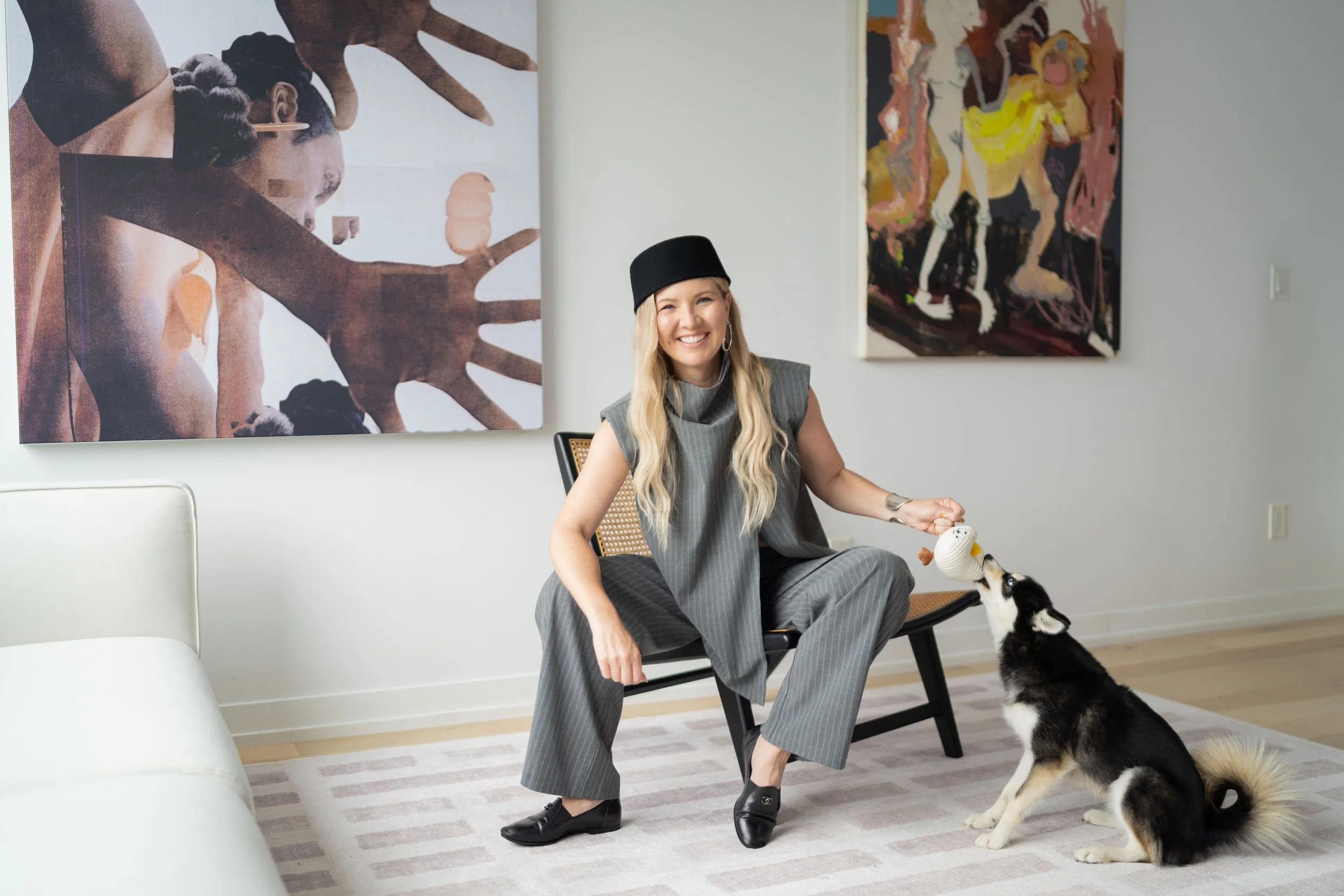
And today, exactly ten years later, I found myself on the other side of that experience.
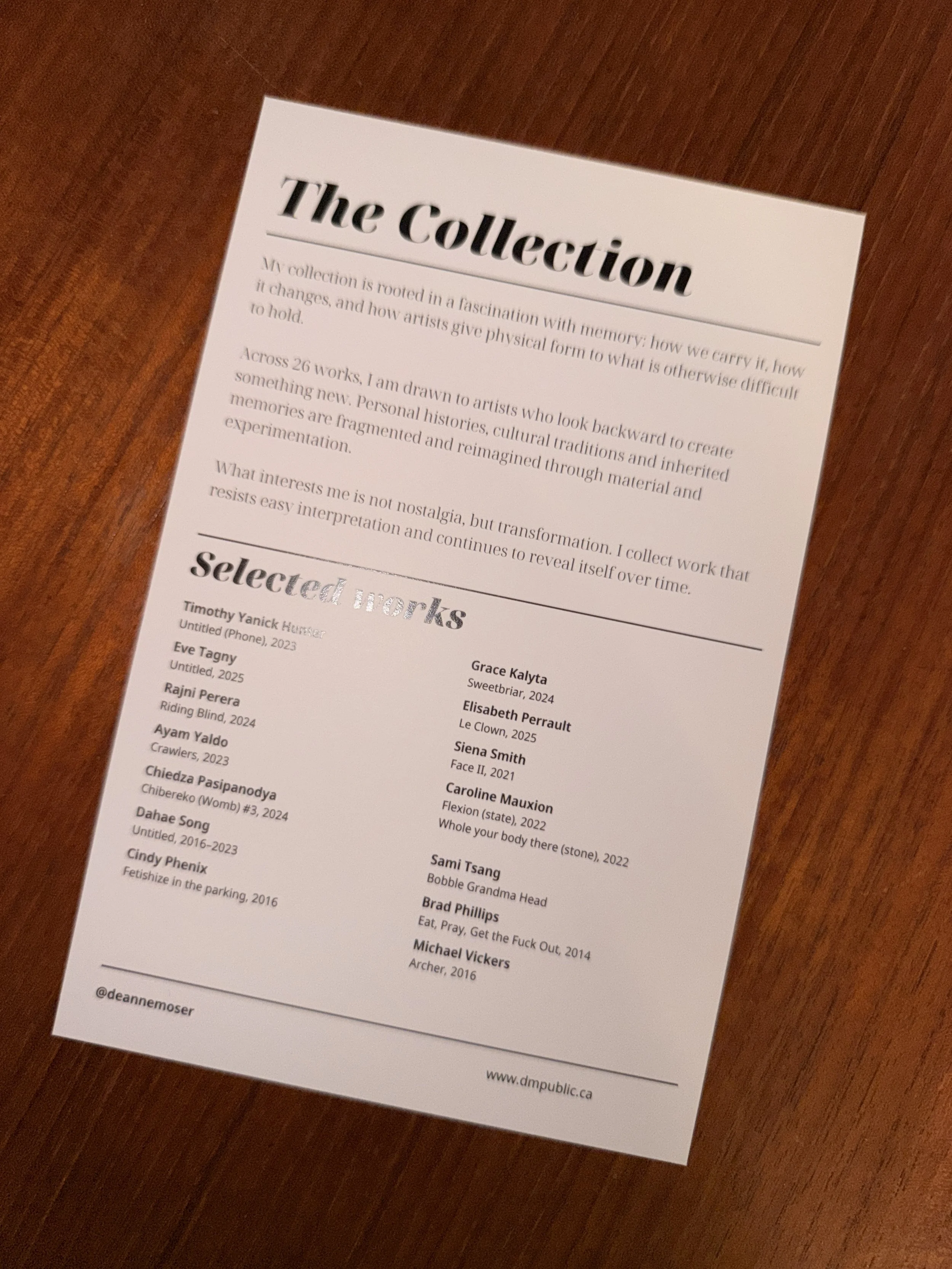
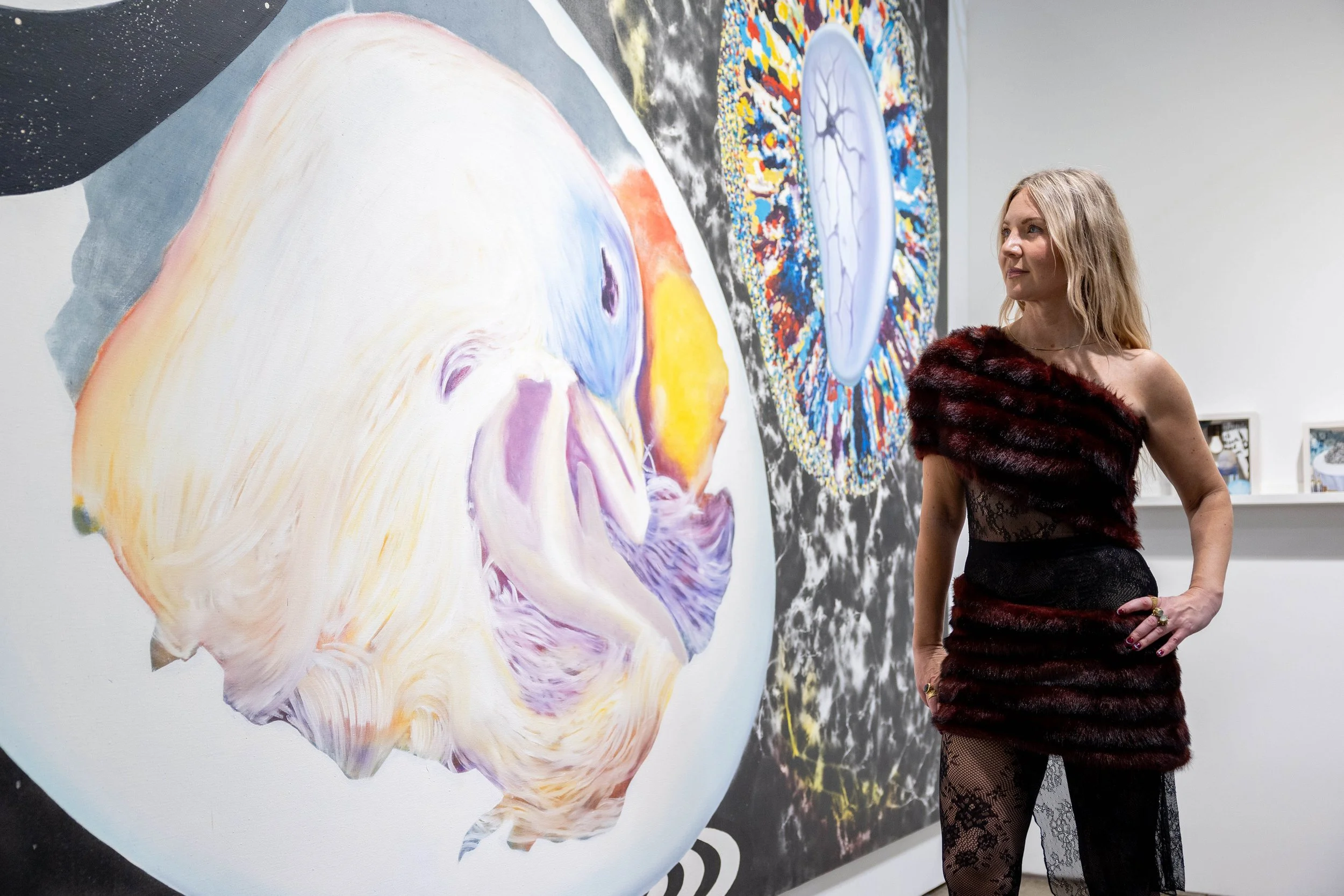
I hosted a VIP collector tour of my home as part of Art Toronto, opening my doors and sharing the artworks I've collected, the artists I've come to know and the stories behind the pieces I live with every day.
There was something incredibly rewarding about that.
Because collecting isn't just about acquiring objects. It's about developing your own eye, discovering what moves you, building relationships with artists and galleries, and surrounding yourself with things that continue to challenge and inspire you.
My collection wasn't built overnight. It has evolved over years, through discoveries, conversations, risks and the occasional purchase that required a little financial creativity.
And I hope that by sharing it, particularly with younger visitors, I helped make collecting feel a little more possible.
You don't need to begin with a masterpiece or an enormous budget. You need curiosity, a willingness to learn and the confidence to trust your own taste.
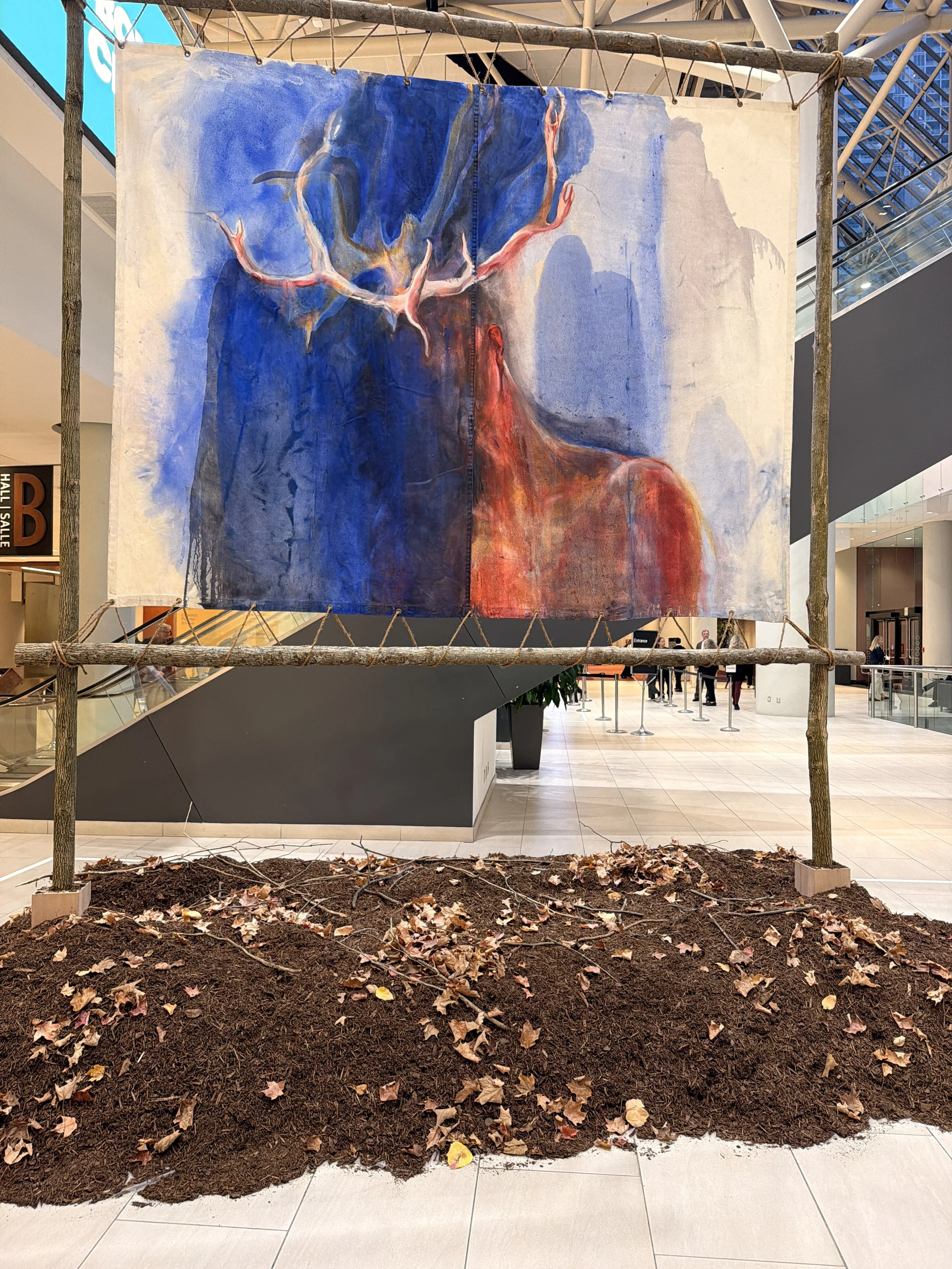
Ten years ago, Art Toronto helped change the way I collected. Today, I hope I played a small part in inspiring someone else to begin.
And that brings me to a question I've been thinking about: How do we create more of those moments for the next generation?
For decades, art fairs have largely catered to established collectors through VIP previews, private dinners, exclusive access and relationships built over years.
Those relationships remain incredibly important. But the art market also needs to cultivate new buyers, and that means rethinking how we introduce people to collecting.
The 2026 Art Basel and UBS Survey of Global Collecting offers an interesting perspective.
Among 3,100 high-net-worth collectors surveyed, Gen Z reported the highest average spending on fine art, at $347,460 in 2025. Eighty per cent of Gen Z respondents conducted their own research before purchasing, while 56% had bought work by an artist they were previously unfamiliar with.
These are wealthy collectors, of course, and not representative of an entire generation. But the findings point to something important: younger collectors are willing to discover, research and invest.
The challenge for art fairs is turning that interest into participation.
At Art Toronto this year, new Fair Director Emily-Jean Alexander introduced several initiatives that I think are worth paying attention to.
1. Make art collecting social.
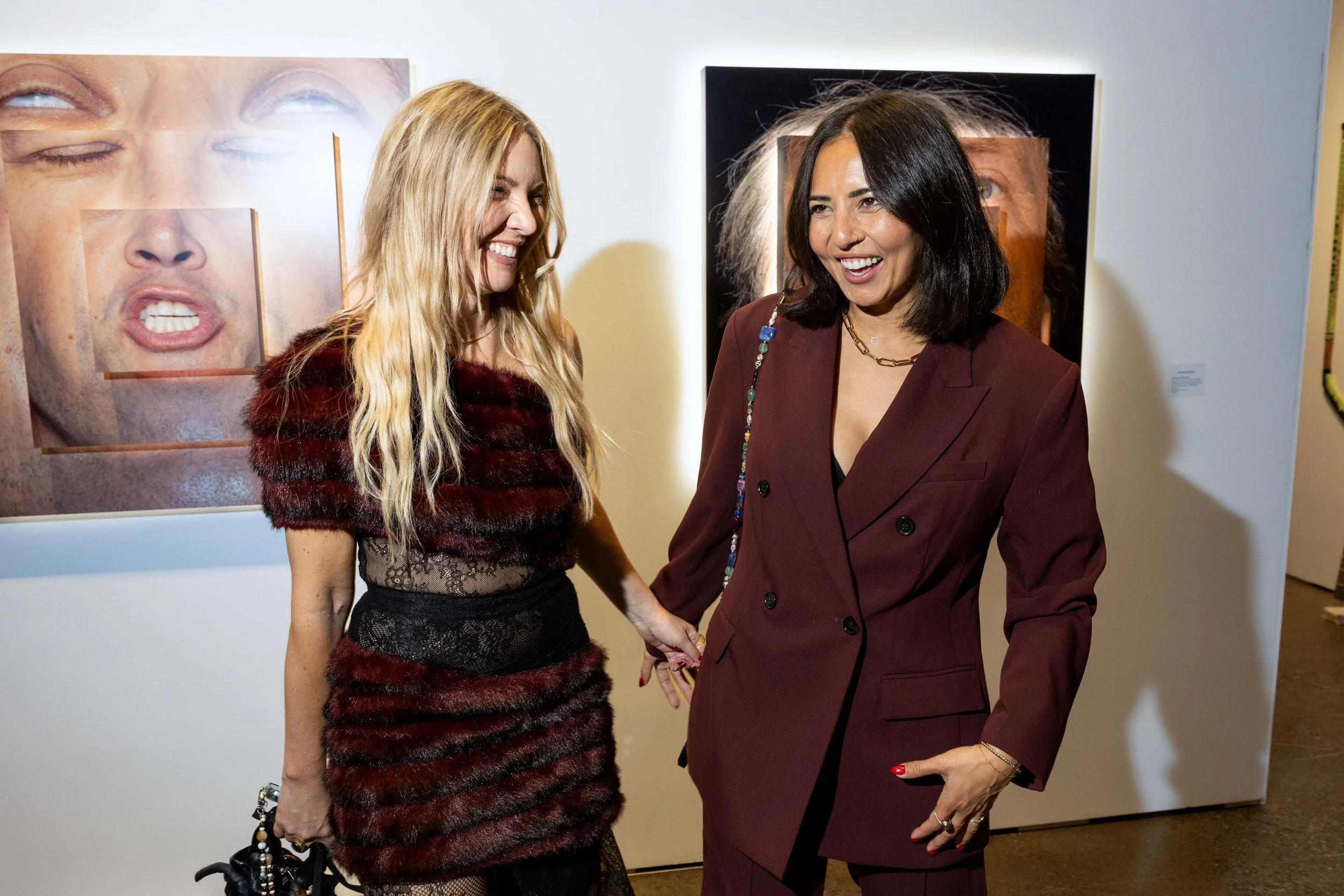
A new Friday Young Collectors Night brought a different energy to the fair, with music, a complimentary drink and an atmosphere designed to encourage a younger audience to explore.
This isn't simply about making an art fair more entertaining. It's about making the experience approachable.
You might come for a night out with friends, discover an artist you've never heard of, strike up a conversation with a gallerist and leave thinking about a work you can't get out of your head.
That's how relationships with art begin.
2. Show people that collecting is possible.
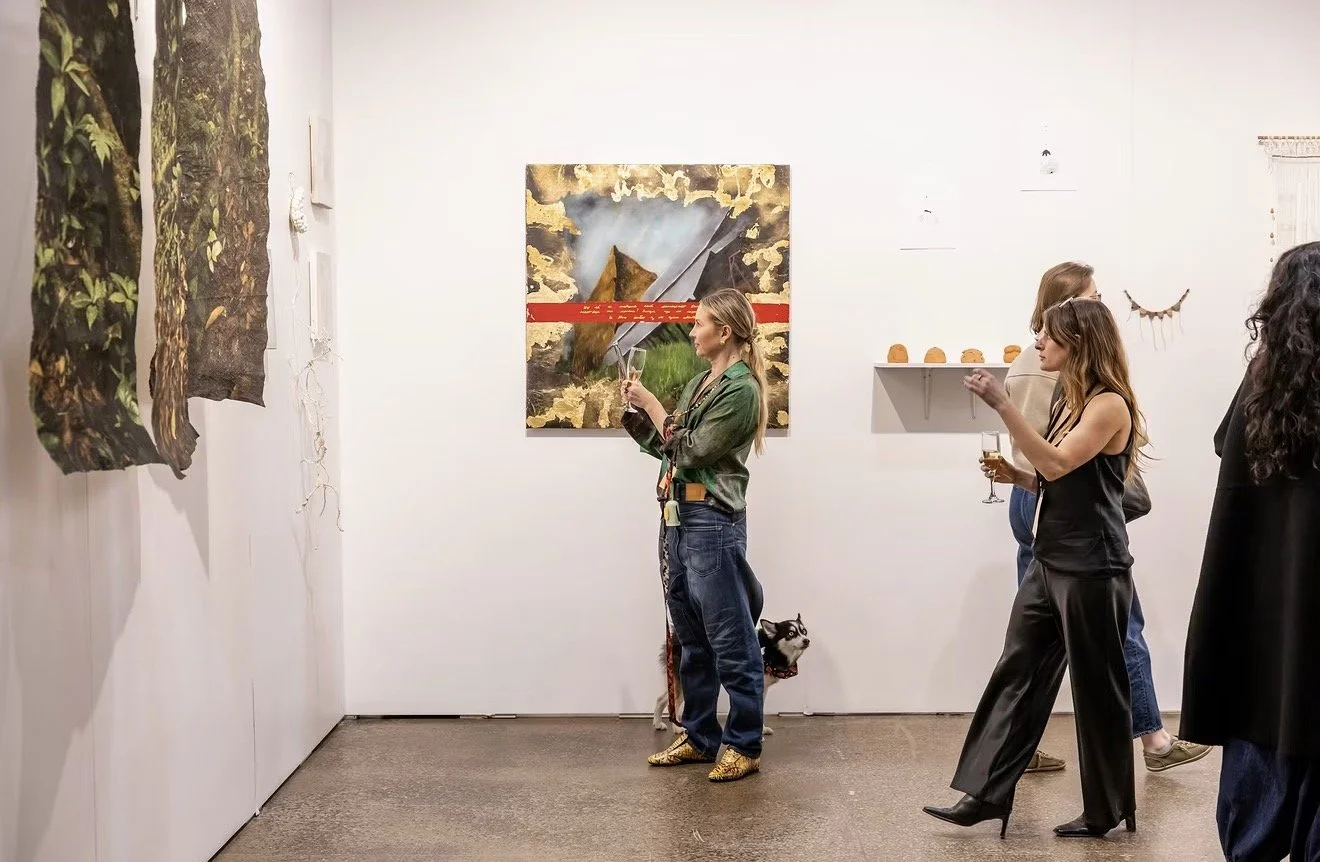
Art Toronto highlighted a wide selection of works priced under $5,000.
Now, $5,000 is certainly not pocket change. But one of the biggest misconceptions about collecting contemporary art is that everything is financially out of reach.
Showing people a range of price points, introducing emerging artists and opening conversations about how purchases work can make an enormous difference.
I know firsthand. My turning-point purchase required an instalment plan.
Sometimes the difference between admiring a work and owning it is simply knowing what options are available.:
3. Take the intimidation out of the experience.
The fair introduced free personalized art advisory opportunities, connecting visitors with qualified consultants who could help them navigate the fair, understand the market and identify works that aligned with their interests and budgets.
I particularly loved the idea of a tour framed around This Is How I'd Spend $5,000 for You.
Because buying art shouldn't require knowing the right people, speaking the right language or pretending you understand everything.
Ask questions. Ask about pricing. Ask about the artist's practice. Ask why a work matters.
A good gallery should welcome those conversations.
4. Give people the tools to educate themselves.
Art Toronto also introduced The Insider's Eye, an online learning resource designed to help visitors better understand collecting.
This is especially relevant when you consider how younger collectors research before purchasing.
Information creates confidence.
You can now follow an artist's career online, explore museum exhibitions, research gallery representation and learn about their work before you ever step into a booth.
But the research should support your instincts, not replace them.
Art isn't a stock portfolio. Not every purchase needs to be justified by its potential resale value.
Sometimes the most important question is whether you want to live with the work.
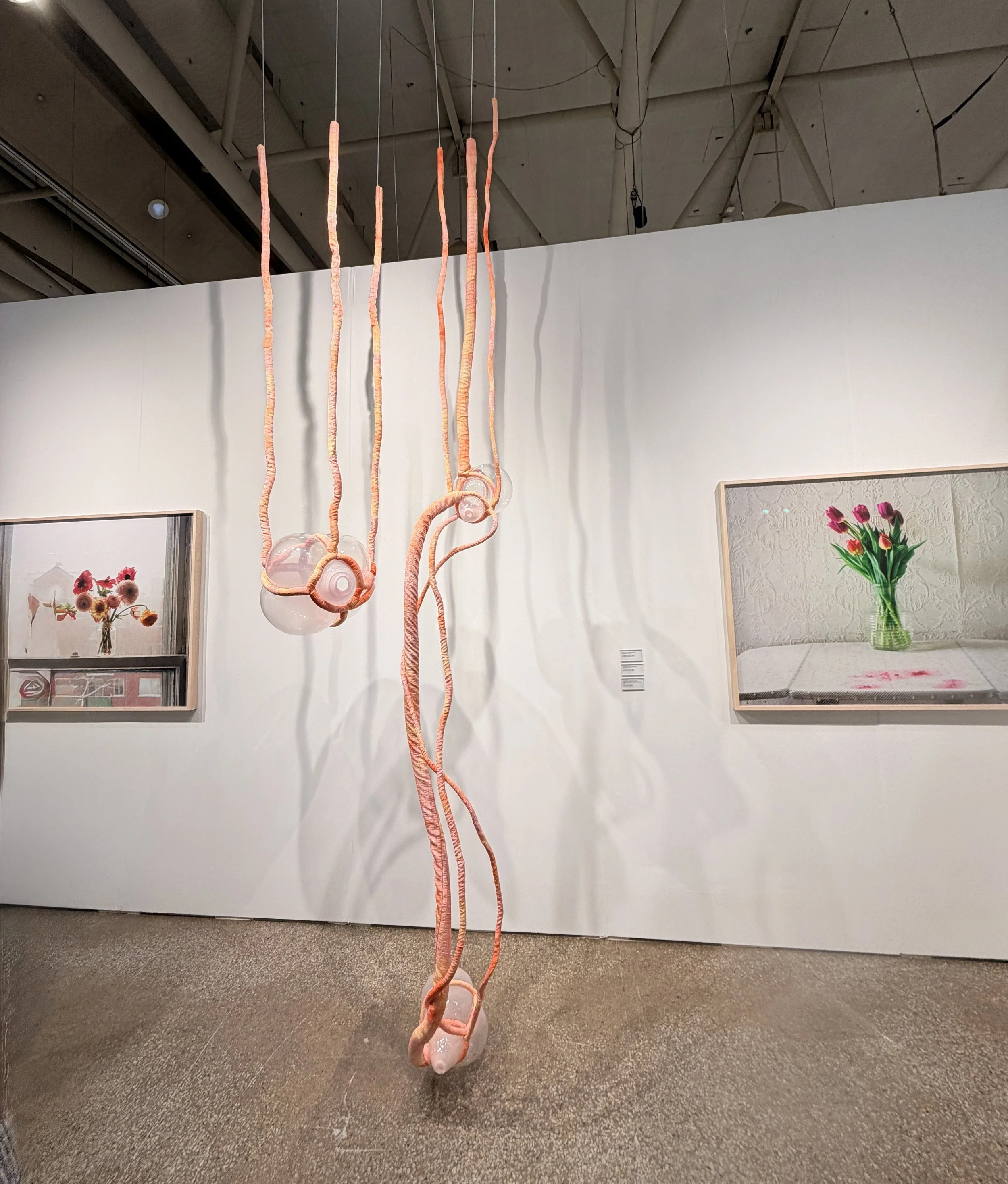
5. Build relationships beyond the fair.
A greater investment in social media, storytelling and Reels helped bring Art Toronto to audiences who might never have considered attending.
And this is where I think cultural organizations have a huge opportunity.
Social media shouldn't just be a promotional tool. It can introduce artists, demystify collecting, build relationships with galleries and create a sense of familiarity before someone ever walks through the doors.
A Reel might be someone's first introduction to an artist. A gallery visit might follow months later. A purchase might happen a year after that.
Audience development is a long game.
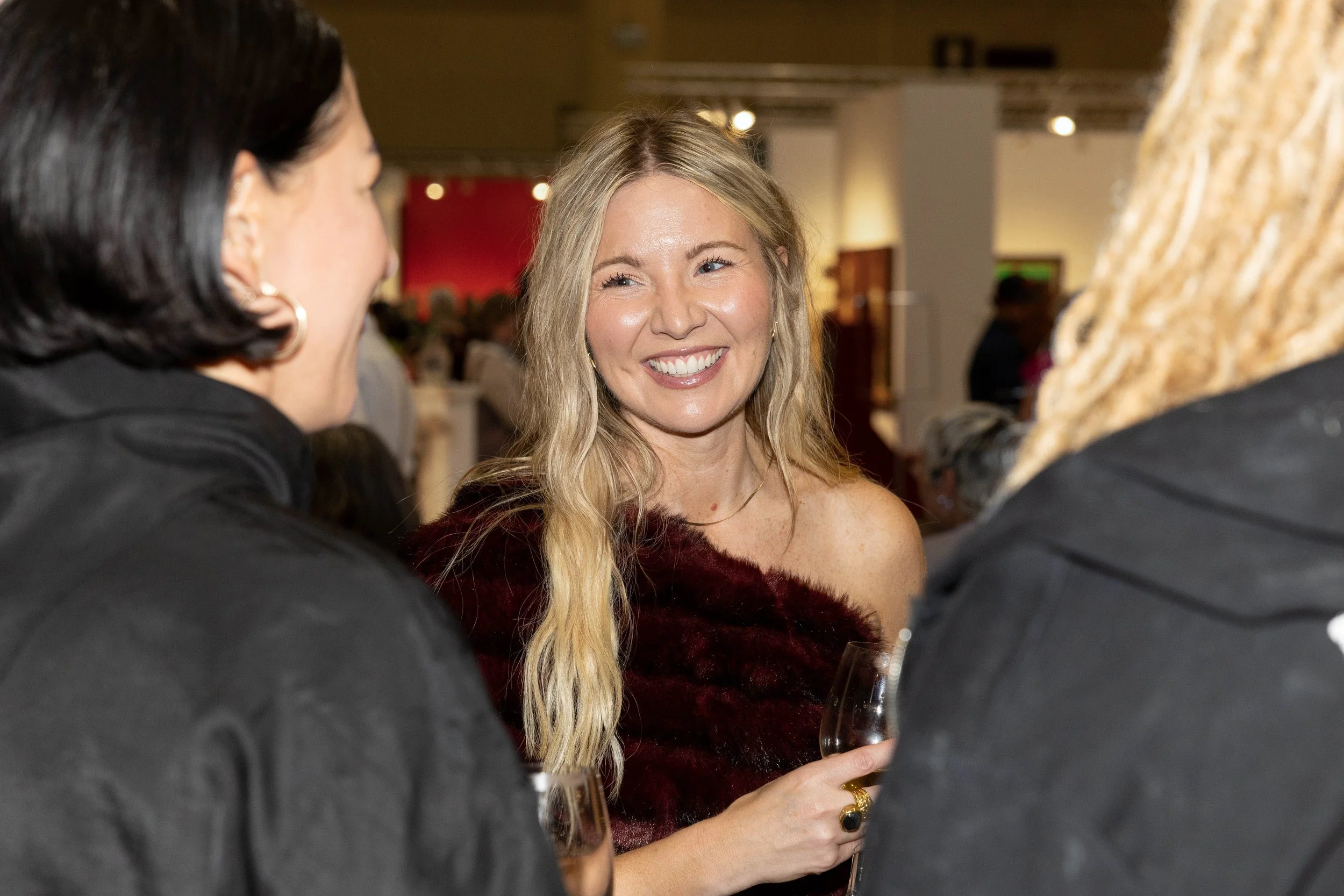
Here's what I think the art world needs to remember.
Getting younger people through the doors is one thing. Turning them into collectors is another.
And the two require different strategies.
The first is about access, relevance and experience. The second is about education, relationships, confidence and trust.
For galleries, that means cultivating people who may not be ready to purchase today. For art fairs, it means thinking beyond immediate sales. For cultural marketers like me, it means creating experiences and stories that make people feel they belong in the conversation.
And for new collectors, it means understanding that you don't need to know everything before you begin.
I'm proud that DMPUBLIC was part of bringing this year's Art Toronto into the spotlight, and particularly excited to see Emily-Jean thinking about the fair's long-term audience.
Because somewhere at Art Toronto this year, someone may have encountered a work they couldn't stop thinking about.
Maybe they bought it. Maybe they didn't. Maybe they'll spend the next six months researching the artist.
But perhaps that moment will change their relationship with art forever.
Just as mine did in 2016.
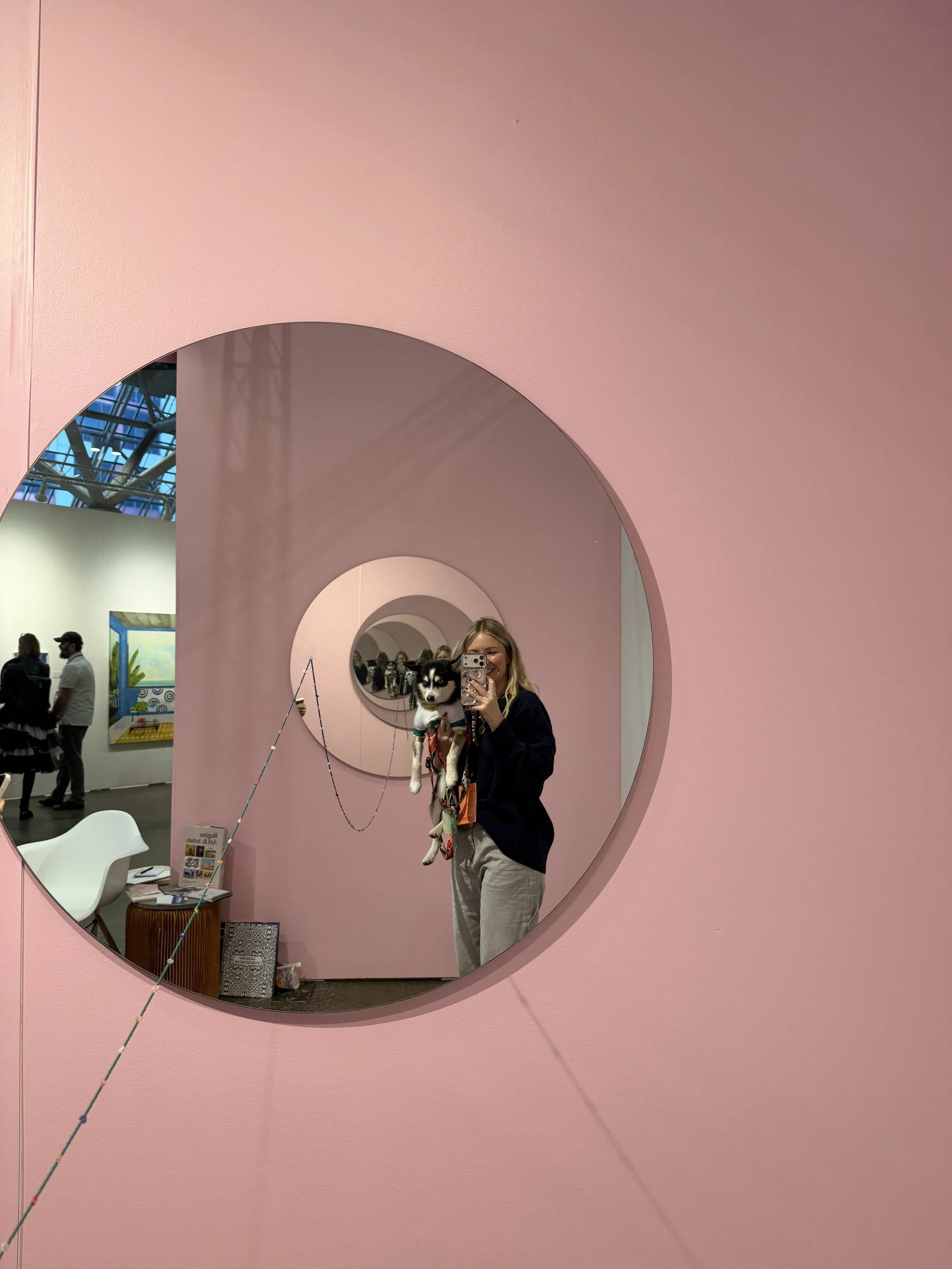
My advice? Do your research. Ask the questions. Know your budget. But don't underestimate your gut.
Ten years later, that Cindy Phenix painting still makes me feel exactly what I felt when I first saw it.
And today, welcoming collectors into my home reminded me that the greatest thing about building a collection isn't necessarily what you acquire. It's the experiences, relationships and discoveries that come with it — and eventually getting to share those with someone else.
I'd love to know: Do you remember the first artwork you fell completely in love with?
#DirectMessage #TheCultureEdit #ArtToronto #ArtCollecting #ArtMarket #ContemporaryArt #DMPUBLIC