THE BUSINESS OF THE ART FAIR: WHEN THE FAIR BECOMES THE BRAND
What Contemporary Istanbul gets right about marketing, sponsorship and building a cultural destination.
I run DMPUBLIC, a communications agency specializing in arts, culture and placemaking.
Which means that while everyone else at an art fair is looking at the art, I am also looking at the signs.
And the sponsors. The VIP program. Who has been invited. What people are photographing. Where they’re having a drink afterwards. And, eventually, who is paying for all of it.
I came to Istanbul as a guest of Contemporary Istanbul for its 21st edition. I discovered some incredible artists but I also found myself studying the business around the art.
Because the business of the art fair is changing.
Fairs are still marketplaces. Art-fair sales accounted for 35% of dealer turnover in 2025. But the fair itself doesn’t survive on the sale of a painting. Its business is built around galleries, tickets, sponsors, partnerships and the larger commercial ecosystem around the event.
Meanwhile, galleries are paying significant money to participate. Booth space, lighting, furniture, shipping, insurance, installation, travel, hotels, staffing — before a single work sells, the meter is running.
So the fair has two jobs: deliver serious buyers for its galleries and build a cultural brand big enough that everyone else wants to be part of it.
Contemporary Istanbul understood that.
FIRST: MAKE THE FAIR A BRAND
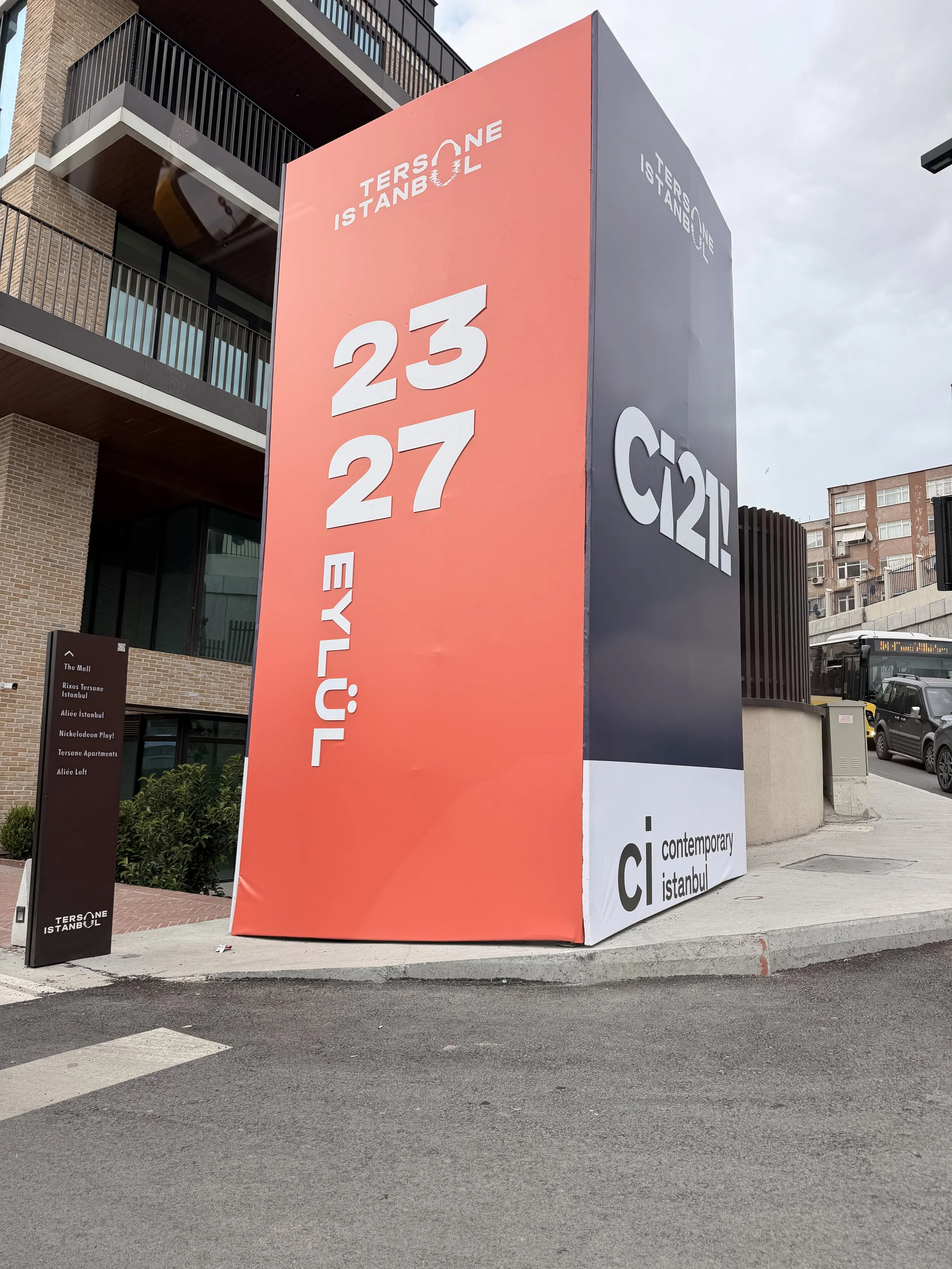
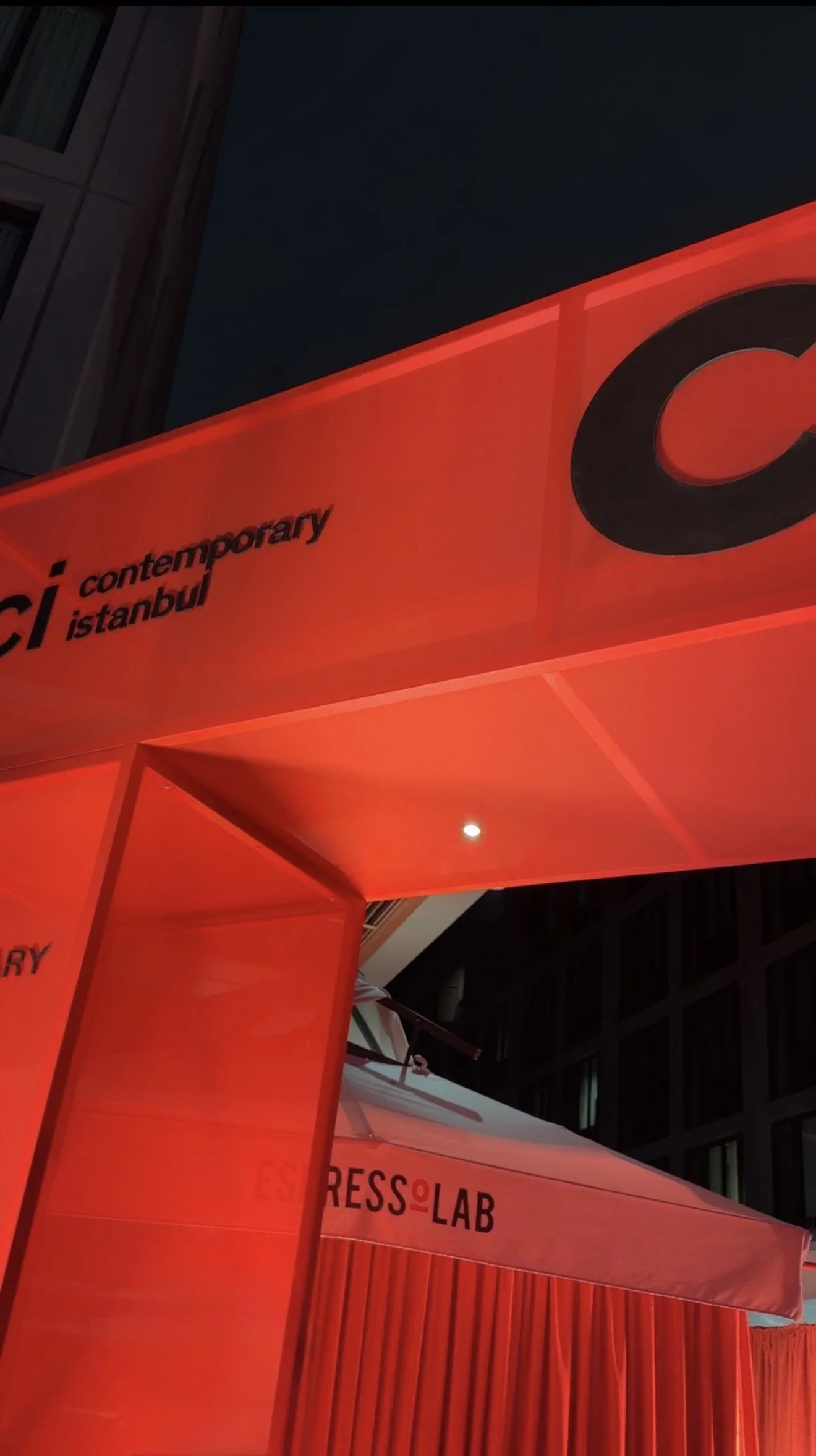
Every art fair has a visual identity.
But a logo, colour palette and signage shouldn’t simply tell me where to go.
They should make me want to take a photo.
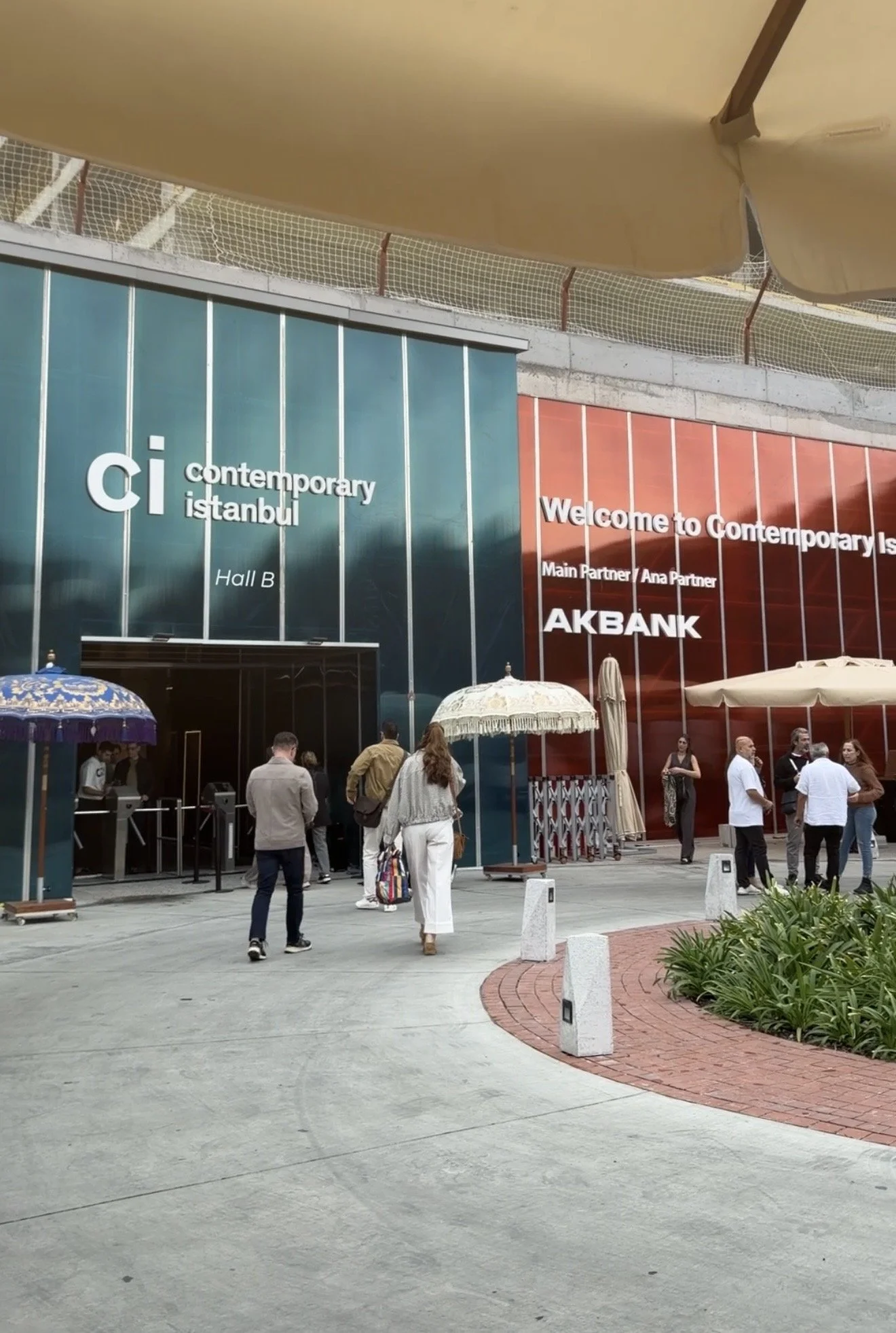
Contemporary Istanbul’s identity appeared throughout the fair in ways that made the brand itself part of the visual experience.
This matters because only a fraction of visitors will leave carrying an artwork. Almost everyone will leave carrying photographs.
The fair therefore needs visual assets of its own.
Hotels understand this. Restaurants understand it. Fashion understands it. Physical spaces now have two audiences: the person experiencing them and everyone who will eventually see the photograph.
If nobody wants to photograph your sign, you may have a signage problem.
THE VIP PARTY IS BUSINESS DEVELOPMENT
One of the smartest things Contemporary Istanbul did was remarkably simple.
The fair closed at 7 p.m.
The VIP reception started next door at 7:30 p.m.
Brilliant.
I’ve been to fairs where the evening splinters into private dinners and small receptions, or the official party is across town and traffic becomes the barrier.
Here, everyone walked next door.
Gallery owners who had spent all day in their booths suddenly had a social environment in which to meet collectors, VIPs, sponsors and other people in the industry.
That’s not just hospitality. That’s business development.
Why spend all that money bringing valuable people together and then separate them at the end of the day?
It also gave sponsors another platform. Performances and activations could continue into the evening rather than disappearing when the fair closed.
Sometimes good VIP strategy isn’t about making something more exclusive.
It’s about keeping the right people together longer.
SPONSORSHIP AS ART
This was probably what impressed me most.
We’re all familiar with the traditional cultural sponsorship model: logo on the wall, logo on the invitation, logo on the VIP pass, sponsor board at the entrance.
Contemporary Istanbul showed how much further it can go.
BMW had a physical presence at the fair, but its role continued outside it by transporting VIPs.
That’s perfect integration.
The activation introduced the brand. The service made it useful.
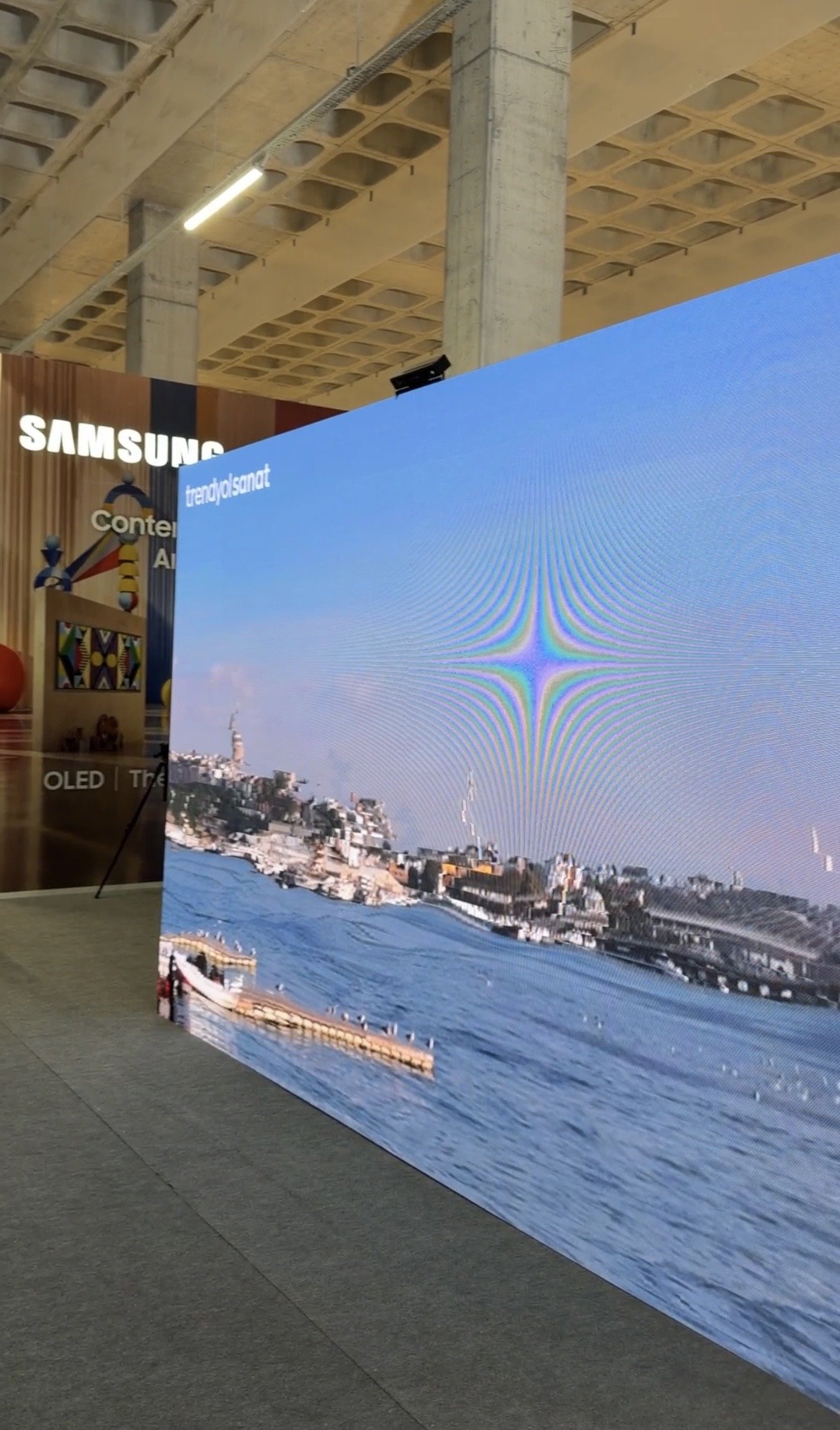
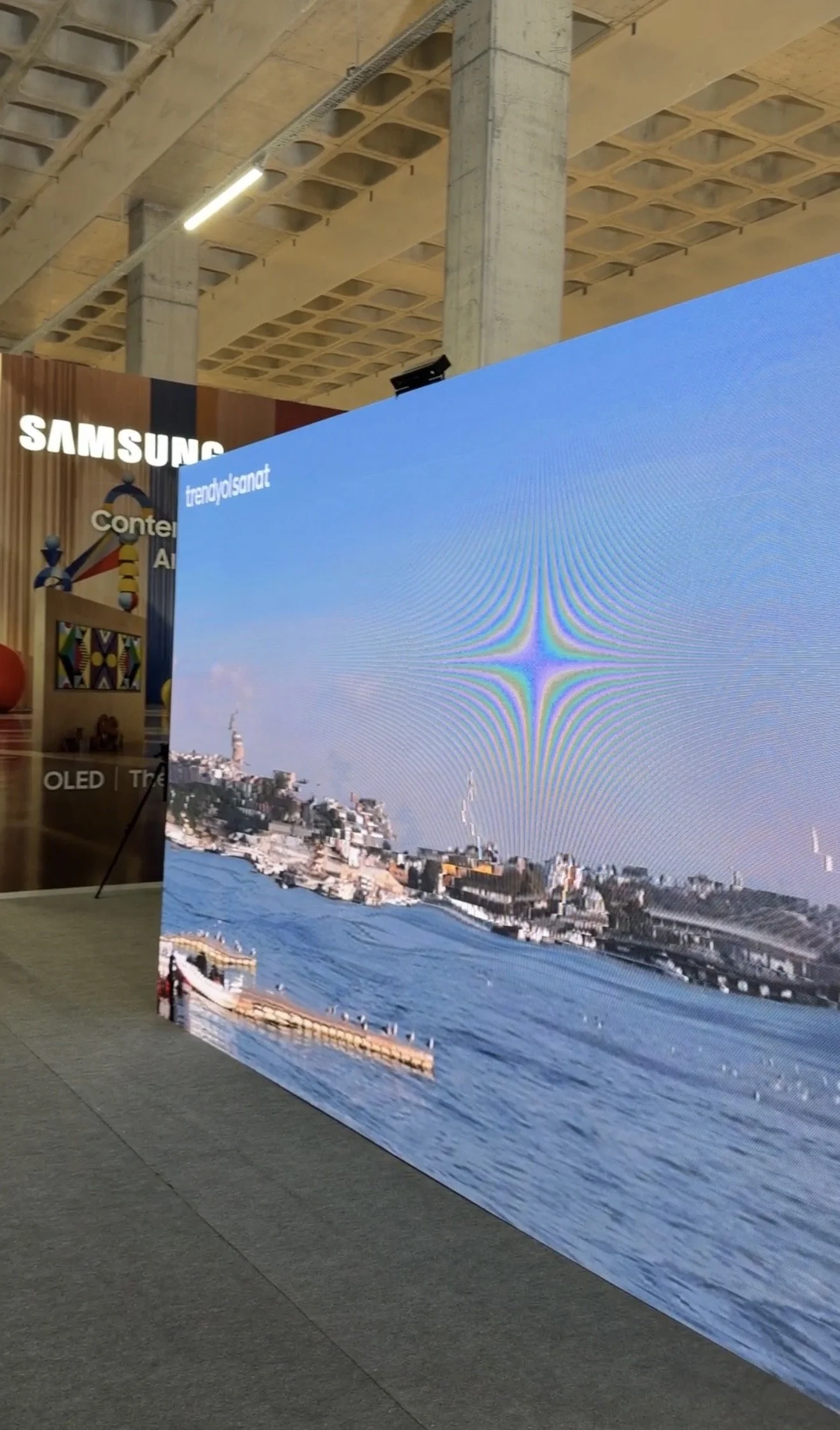
Samsung’s ongoing relationship between its televisions and art also makes immediate sense in an art-fair environment. Its product is part of the conversation rather than simply sitting beside it.
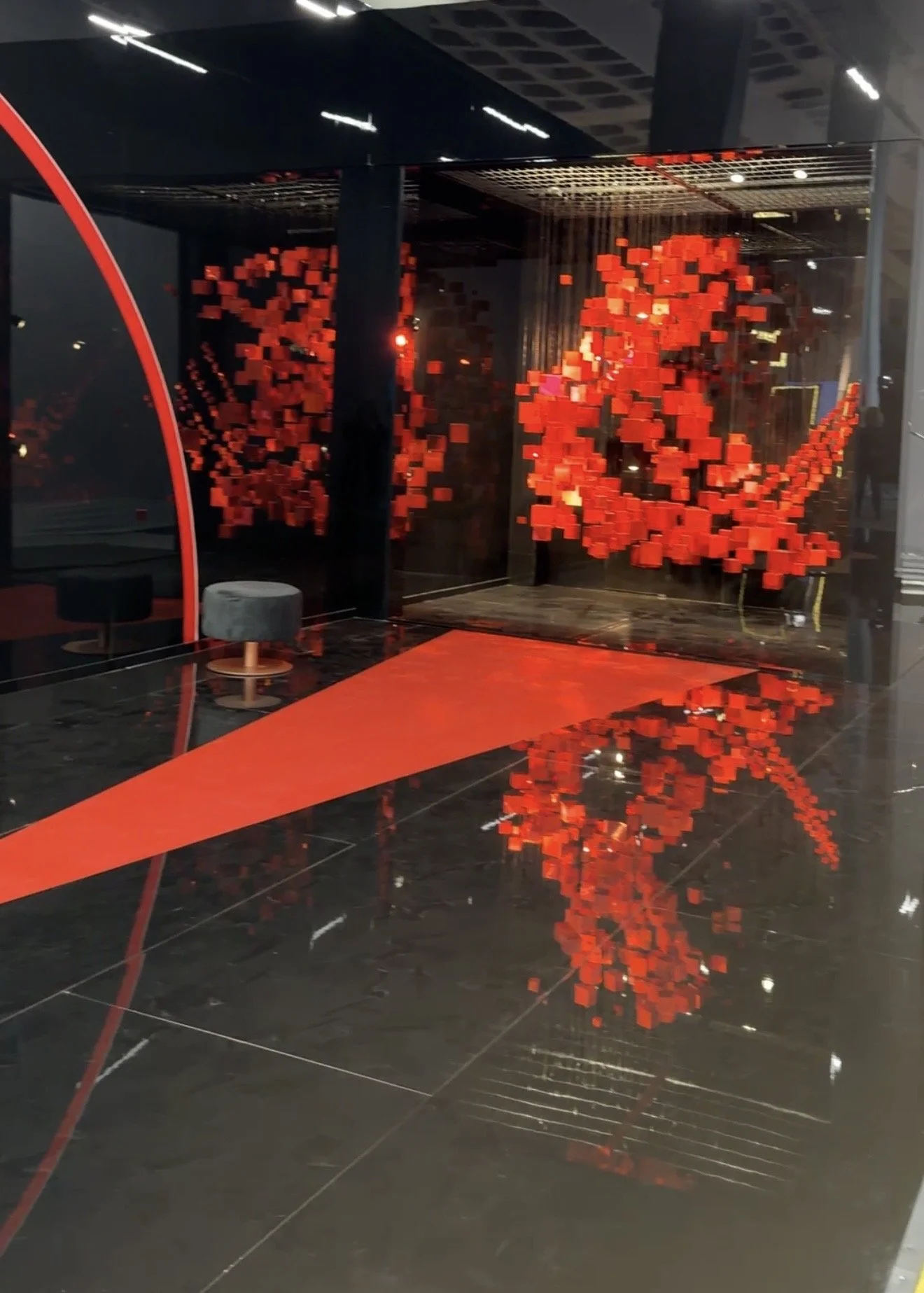
Turkish Airlines created an immersive red installation that became part of the visual landscape of the fair.
Different categories. Same principle:
Don’t put your brand beside the experience. Put your brand inside it.
If I had one recommendation, I’d push this even further.
Move away from the wall of sponsor logos and integrate partners naturally throughout the fair. Let me discover them.
Automotive where mobility makes sense. Technology around digital art. An airline around movement and international culture. Hospitality where I actually want a drink.
And the fair should demand something from the sponsor in return:
Make it good.
If you’re entering a room filled with artists, collectors, designers and culturally sophisticated people, your activation cannot be an afterthought.
Commission someone. Build something. Make it useful. Make it beautiful.
Sponsorship as art is a real way forward.
DON’T UNDERESTIMATE THE BAR
Contemporary Istanbul also had Brothers operating bars and restaurants throughout the fair.
This is more important than it sounds.
A good bar at an art fair isn’t just somewhere to get a glass of wine.
It’s somewhere to meet.
The fashion industry has already figured out the relationship between luxury and hospitality. Fashion houses are moving into restaurants, cafés, hotels and beach clubs because creating a world people want to inhabit can be as powerful as selling them another product.
Art fairs should be thinking the same way.
Give me somewhere great to eat. Somewhere beautiful to sit. Somewhere people naturally gather.
Hospitality increases dwell time. Dwell time creates conversation. And the art business runs on relationships.
STOP BUYING REACH. START BUILDING THE RIGHT ROOM.
This is where influencer strategy and audience development come together for me.
Cultural organizations can become obsessed with follower counts.
Wrong metric.
The question should be:
Who has influence with the audience you’re trying to cultivate?
Contemporary Istanbul’s invited creator program felt connected to the larger cultural ecosystem around the fair — art, design, fashion, architecture, travel and lifestyle.
That’s smart.
An influencer doesn’t have to be an art expert. But there has to be a credible bridge between what they talk about and why their audience might care about contemporary art.
For every invited creator, I’d ask:
Why this person? Why their audience? What do we want that audience to do next?
Maybe they buy. Maybe they visit. Maybe they discover an artist. Maybe they start thinking about collecting. Maybe they put Istanbul on their travel list. The objective isn’t always immediate conversion.
You’re cultivating an audience.
And I saw another smart version of this at the fair.
I met a group who had travelled from London and Dubai as part of a VIP art trip organized through a private members’ club.
That is fascinating to me.
Instead of asking how to sell another 5,000 general admission tickets, ask:
Who can bring us 50 people we really want in the room?
Private members’ clubs. Young-patron groups. Museum circles. Luxury travel programs. Design communities.
These are culturally motivated, potentially high-net-worth audiences who aren’t simply coming to see an art fair.
They’re flying in. Booking hotels. Eating in restaurants. Shopping. Visiting museums and galleries.
Suddenly, the art fair becomes a driver of cultural tourism.
THE SMARTEST MARKETING HAPPENED OUTSIDE THE FAIR
And then there’s my own experience.
Contemporary Istanbul didn’t simply invite me to the fair.
They introduced me to Istanbul.
We explored Beyoğlu, Galata, Pera, Çukurcuma and Cihangir. I experienced the city’s history, architecture, galleries and antiques.
My flights were provided by Turkish Airlines through PinkNet Studio.
And the result wasn’t one obligatory Instagram post.
I wrote about Istanbul. I photographed antiques. I talked about Turkish fashion. I highlighted artists. I posted my favourite works. I’m writing this piece about the business of the fair.
They didn’t give me content. They gave me an experience worth creating content about.
THE FAIR IS THE BRAND
This is what I ultimately took away from Contemporary Istanbul.
A successful art fair today isn’t simply four days of gallery booths.
The visual identity matters. The VIP reception matters. The BMW ride matters.
The bar matters.
The sponsor installation matters. The creator trip matters.
The city matters.
Because all of those things are doing the same job: building a world people want to enter.
The galleries still need to sell art. That’s fundamental.
But the fair’s opportunity is bigger.
Bring the right collectors into the room. Give sponsors a culturally relevant platform. Create an experience people want to share. Give visitors reasons to stay. Connect the fair to the city. Turn international visitors into cultural tourists.
Do that well enough and you’re no longer simply running an art fair.
You’re building a cultural brand.
And that may be the most valuable thing an art fair can own.