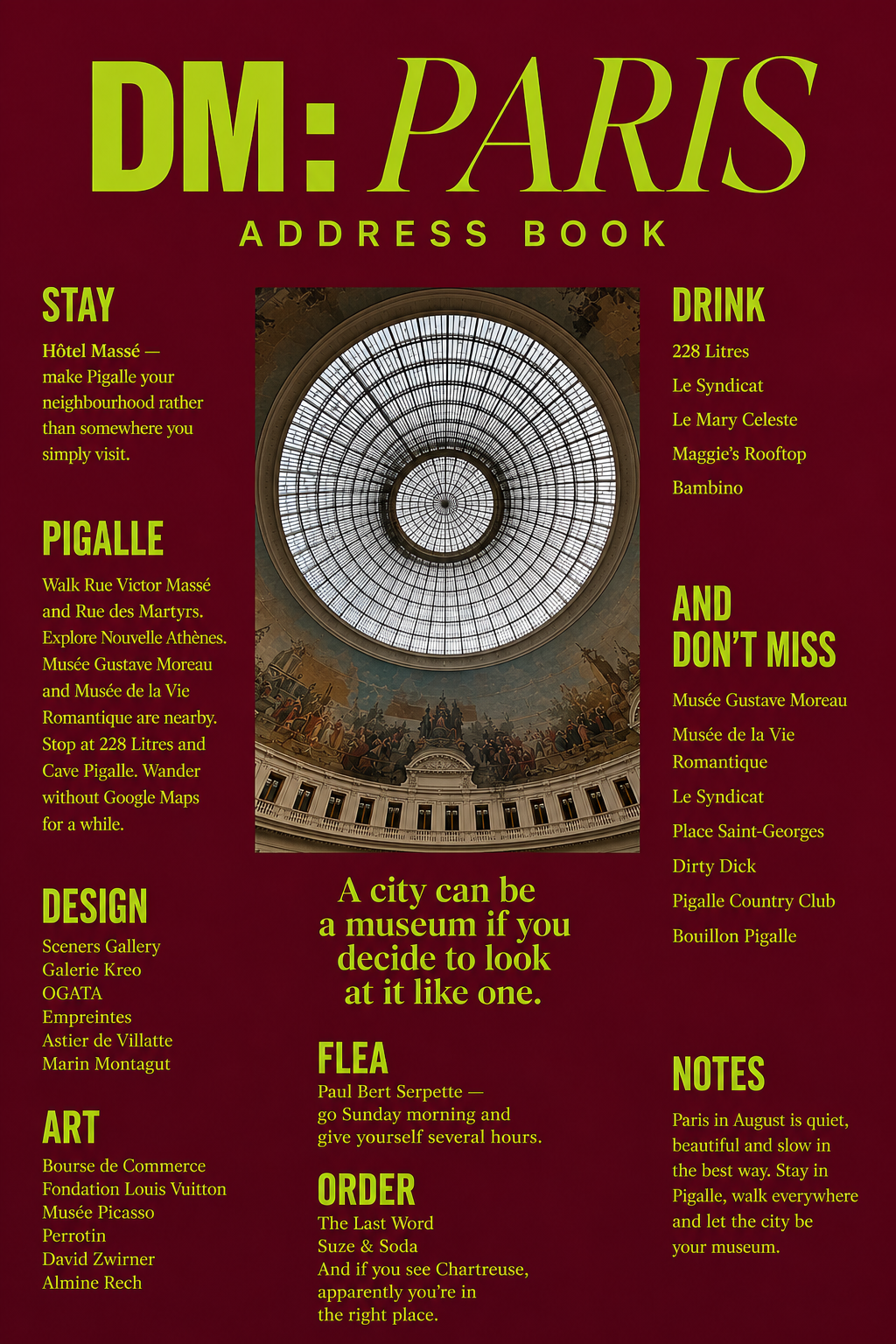
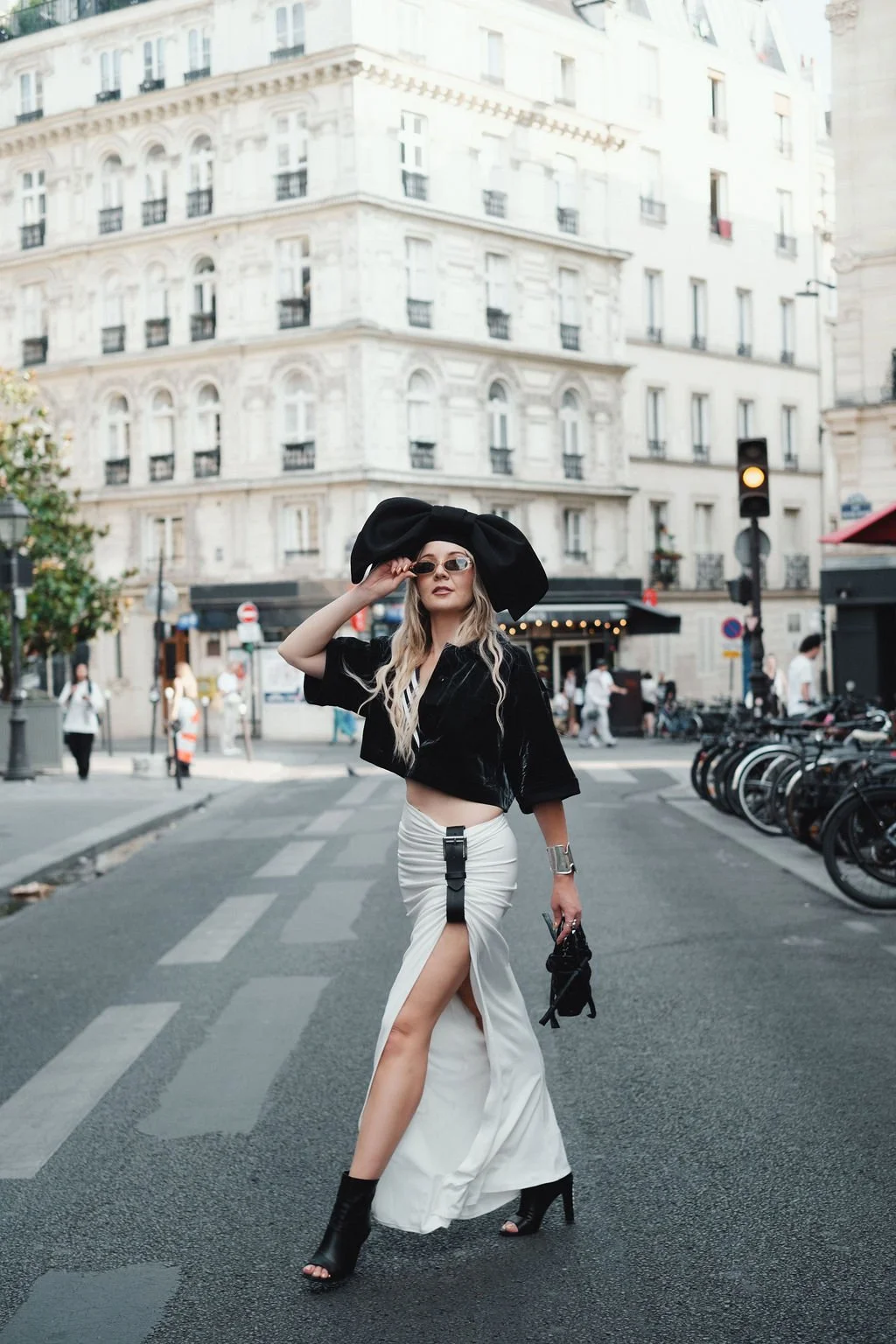
Paris in August, from Pigalle to Paul Bert Serpette, with collectible design, contemporary art and something very green along the way.
I love travelling for art. I will plan a day around a museum, cross a city for a gallery and happily lose hours looking at things.
But in Paris this August, I started thinking: what if the city became the museum?
August in Paris is different. Parisians leave. Restaurants close. Traffic disappears. Everything slows down. I loved it. Without the usual pressure to race across the city, I could stay in a neighbourhood and actually look at it.
This trip, that neighbourhood was Pigalle.
PIGALLE: THE FIRST GALLERY
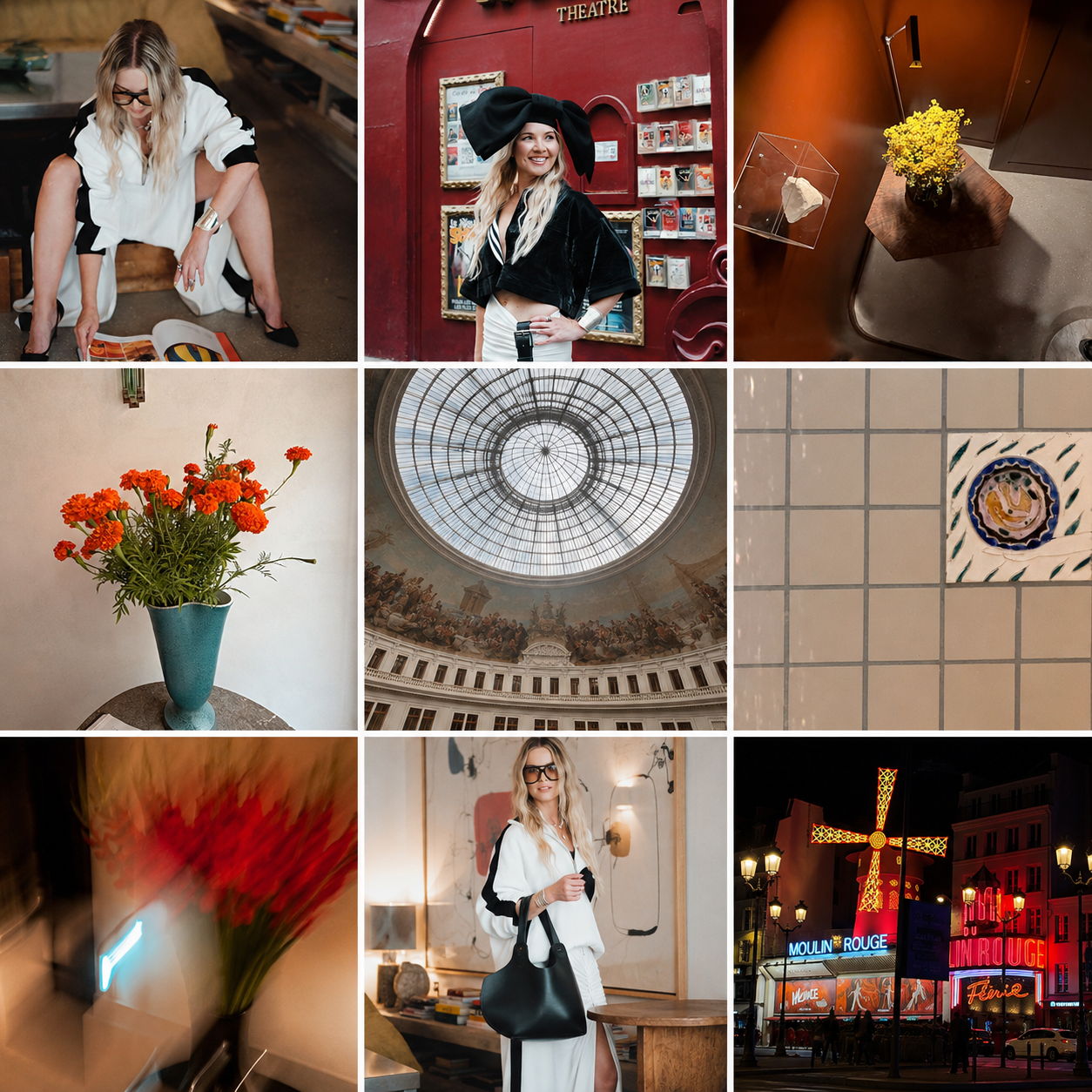
I stayed at Hôtel Massé on Rue Victor Massé, which became my starting point each morning.
Pigalle is layered in a way I love. There are beautiful old façades and slightly gritty corners, music shops and wine bars, cafés spilling onto sidewalks and incredible interiors hidden behind completely unassuming doors.
Rue des Martyrs became a daily walk. I wandered through Nouvelle Athènes, stopped into shops, looked through windows and slowly made my way up towards Montmartre.
It felt less like sightseeing and more like living in Paris for a few days.
And then I started noticing something green.
Walking down Rue Victor Massé, I passed 228 Litres, where giant Chartreuse jeroboams were lined up in the window. It stopped me. Then I noticed Chartreuse somewhere else. And then again.
Paris was one of the cities that helped put natural wine bars on the map 25 years ago. Now those same kinds of bars seem obsessed with a digestif that has been made by Carthusian monks for more than 300 years.
Chartreuse is back. And suddenly I was looking for it.
The Last Word—gin, green Chartreuse, maraschino and lime—is back in my cocktail rotation. And another French classic I love for its simplicity: Suze & Soda.
A centuries-old drink becoming cool again felt very Paris.
SCENERS: THE DESIGN GALLERY
Another thing I wanted to explore on this trip was collectible design.
My interest in art has increasingly expanded into furniture, objects and interiors, and Paris might be one of the best cities in the world to follow that curiosity.
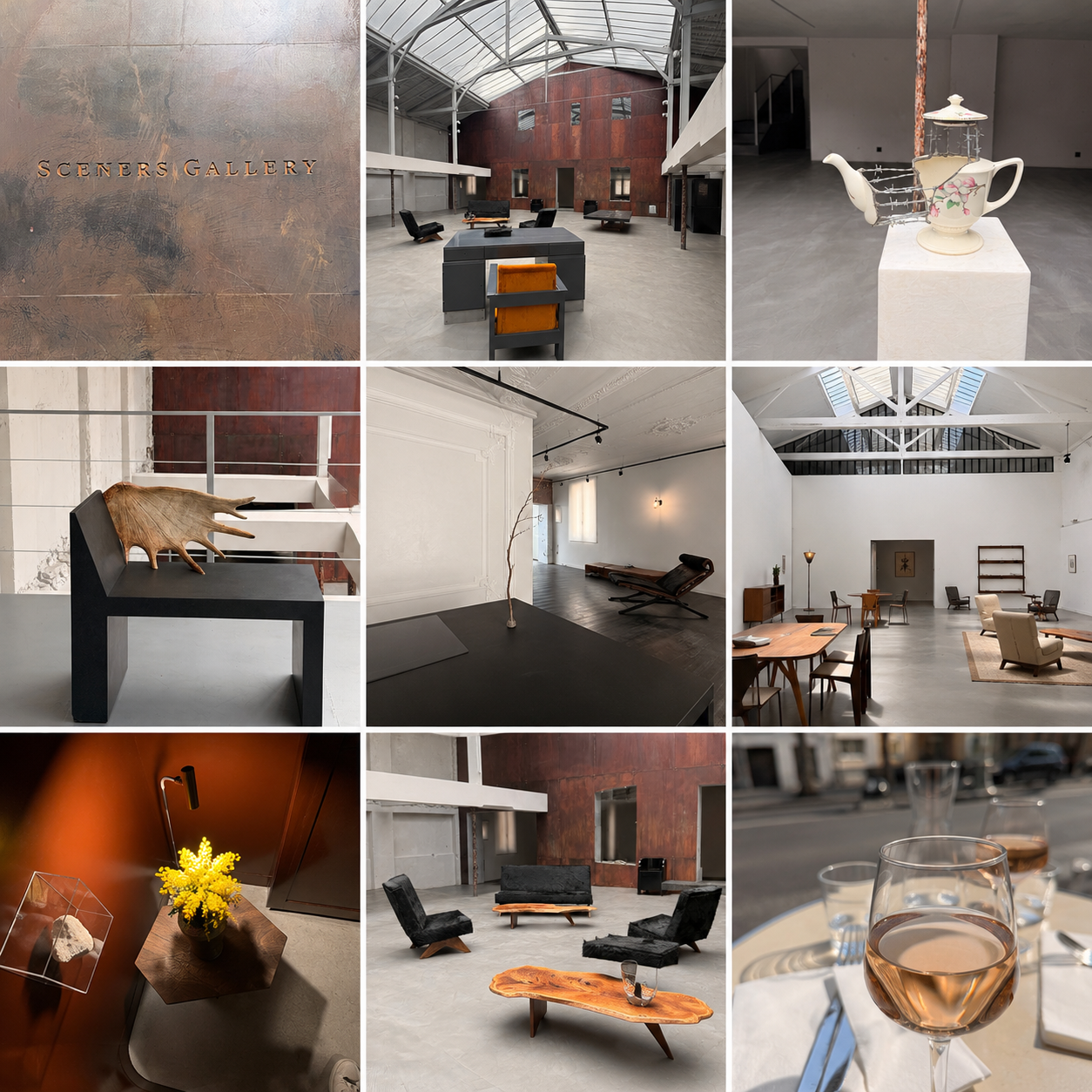
One of my first stops was Sceners Gallery.
What I loved was the way furniture and objects were given space to be considered in the same way we look at art. A chair isn't simply a chair. Material, form, proportion and craftsmanship become the things you start paying attention to.
It changed the way I looked at everything else for the rest of the trip.
Suddenly I was noticing the chair in a restaurant. The lamp in a hotel. Ceramics in a shop window. Door handles. Signage. The table beside me at a bar.
If you start looking at a city like a museum, almost anything can become part of the exhibition.
PAUL BERT SERPETTE: THE DECORATIVE ARTS WING
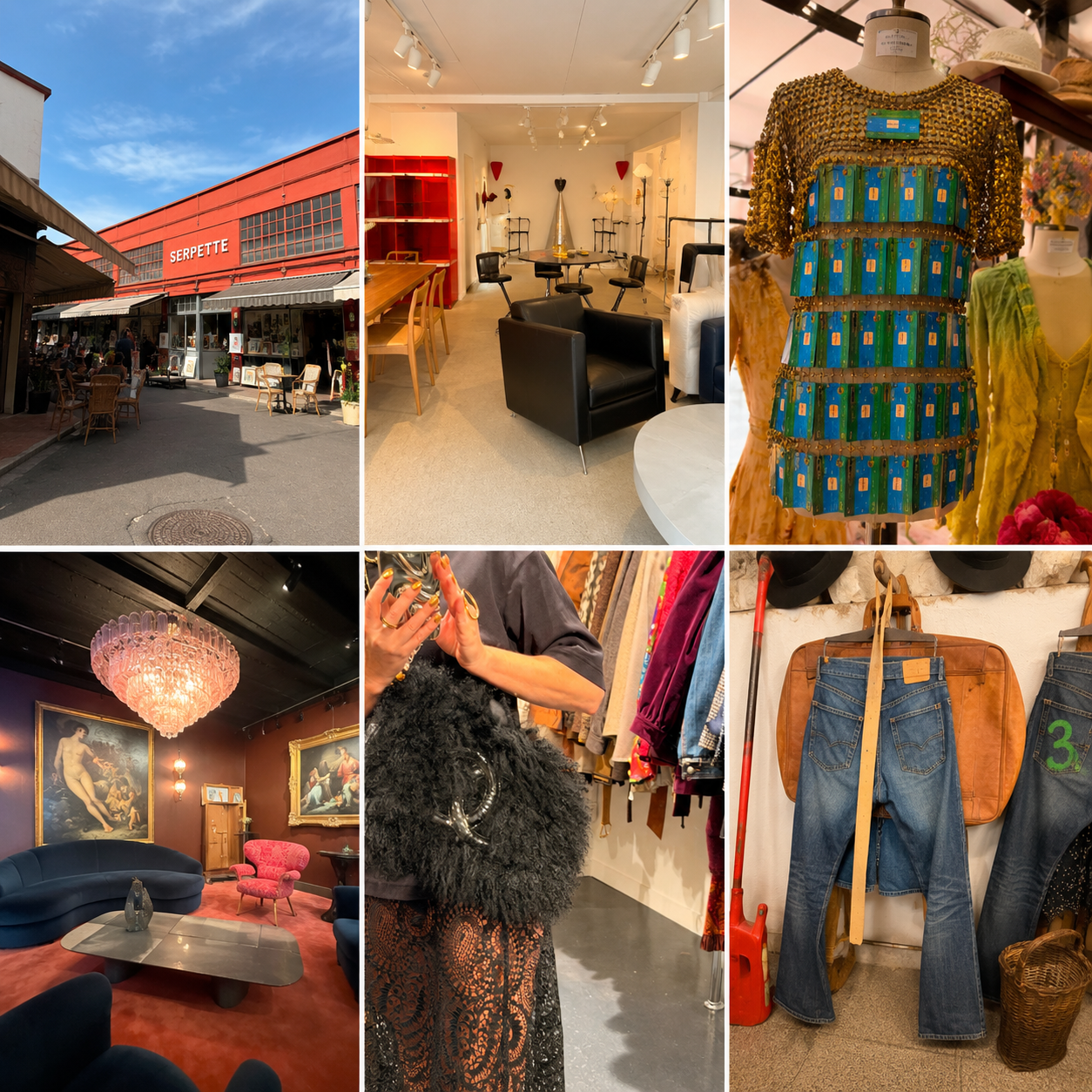
Then came Paul Bert Serpette.
I went on Sunday morning and could have stayed all day.
Part of the enormous Saint-Ouen flea market, Paul Bert Serpette is filled with dealers specializing in furniture, lighting, ceramics, art and objects from seemingly every period.
One stall might be filled with sculptural 1970s lighting. The next has French ceramics. Then a strange chair, a beautiful mirror, an artwork you don't recognize or an object whose purpose you can't quite figure out.
It is treasure hunting, but it is also an education in looking.
You don't have to buy anything.
Looking is enough.
If Sceners was my design gallery, Paul Bert Serpette was the decorative arts wing.
THE MARAIS: THE DESIGN SHOP
The idea continued in the Marais.
At OGATA, the lines between gallery, restaurant, teahouse, shop and architecture almost disappear. Everything—from the objects to the food to the space itself—feels considered.
Then there was Empreintes for contemporary French craft, Astier de Villatte for ceramics, Marin Montagut, Buly, Anti Public Library and Dover Street Market Paris.
Fashion became part of it too. A visit to Schiaparelli at Place Vendôme reminded me how close fashion can come to sculpture.
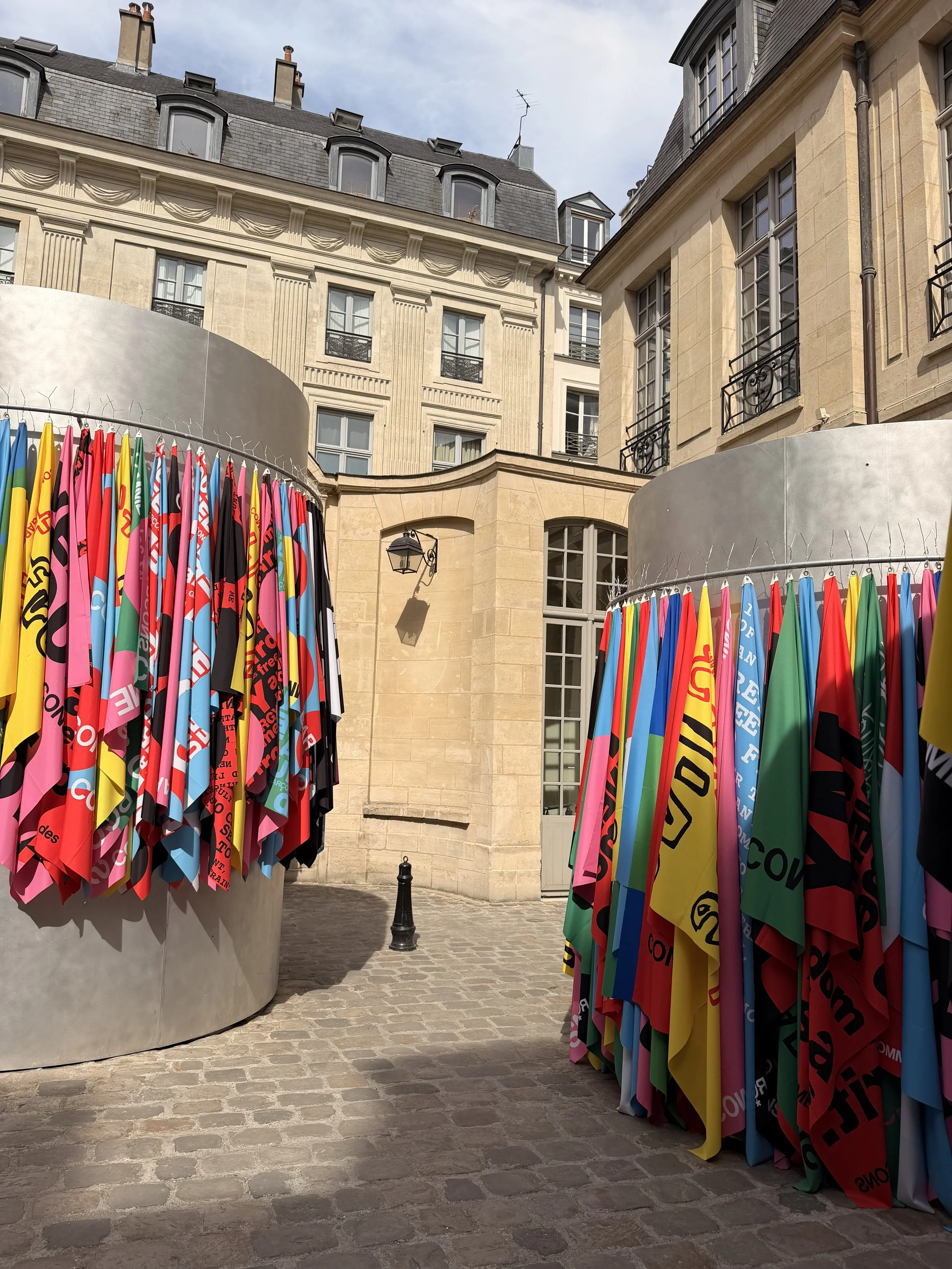
And, of course, I still went to actual galleries and museums.
Bourse de Commerce. Fondation Louis Vuitton. Musée Picasso. Perrotin. David Zwirner. Almine Rech.
But somehow they didn't feel separate from everything else I was seeing. They were simply another room.
THE TAKEAWAY
I used to think a great Paris trip meant fitting in as much as possible.
This one reminded me of the opposite.
Go in August. Stay in a neighbourhood you don't know. Walk. Look through windows. Go into the gallery you haven't heard of. Spend three hours looking at old furniture. Notice what people are drinking at the table next to you.
A city can be a museum if you decide to look at it like one.
And Paris might be the best one there is.