
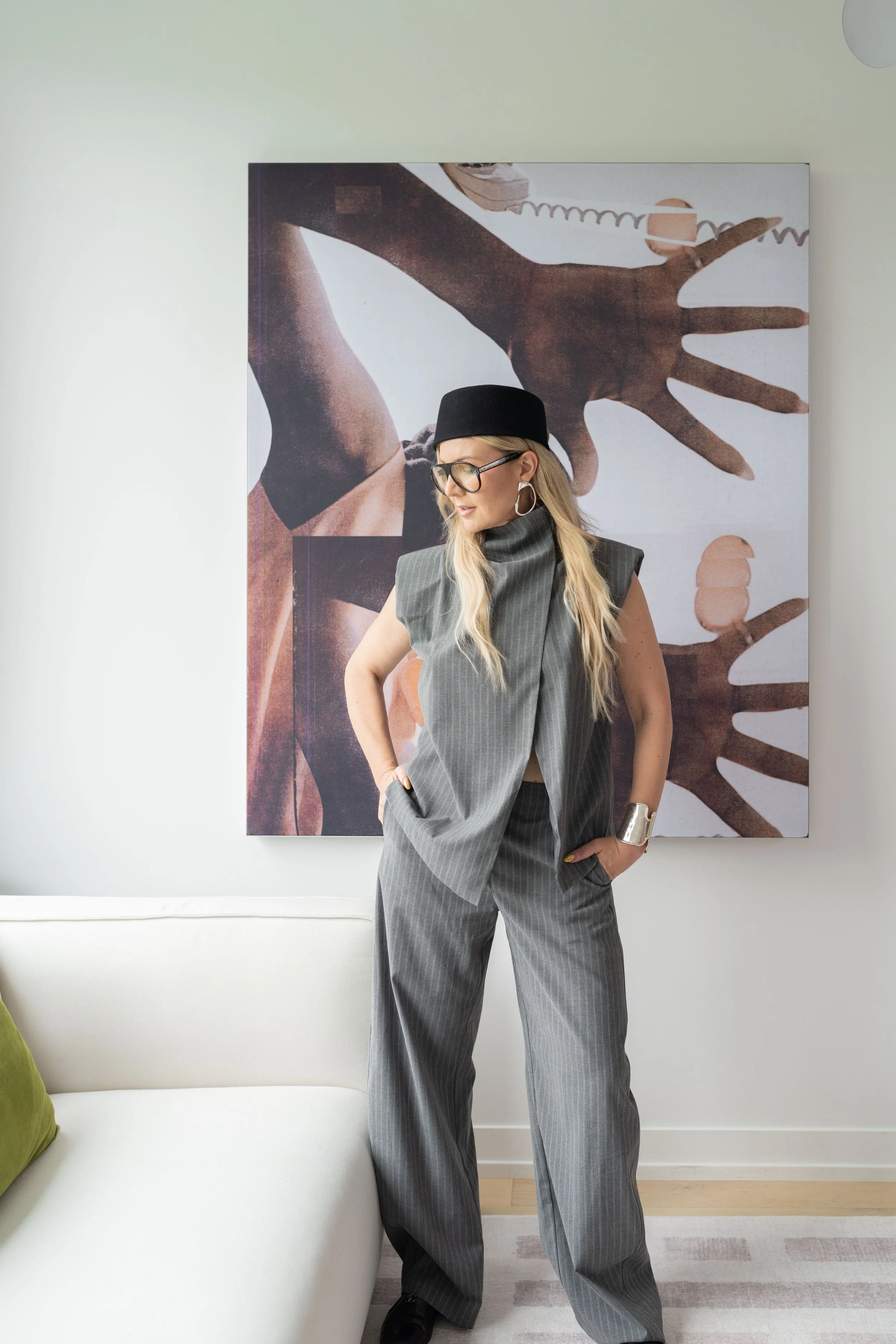
I didn’t set out to build an art collection around memory. I also didn’t set out to own 26 works of art in a condo, but here we are.
The collection happened gradually. One work became another. I discovered an artist, followed their practice, saw something I couldn’t stop thinking about and eventually figured out where it could possibly go. Over time, I started to notice that while the works look very different from one another, I kept returning to many of the same ideas.
Memory. The body. Identity. Inheritance. Material. And particularly artists who look backward in order to make something new.
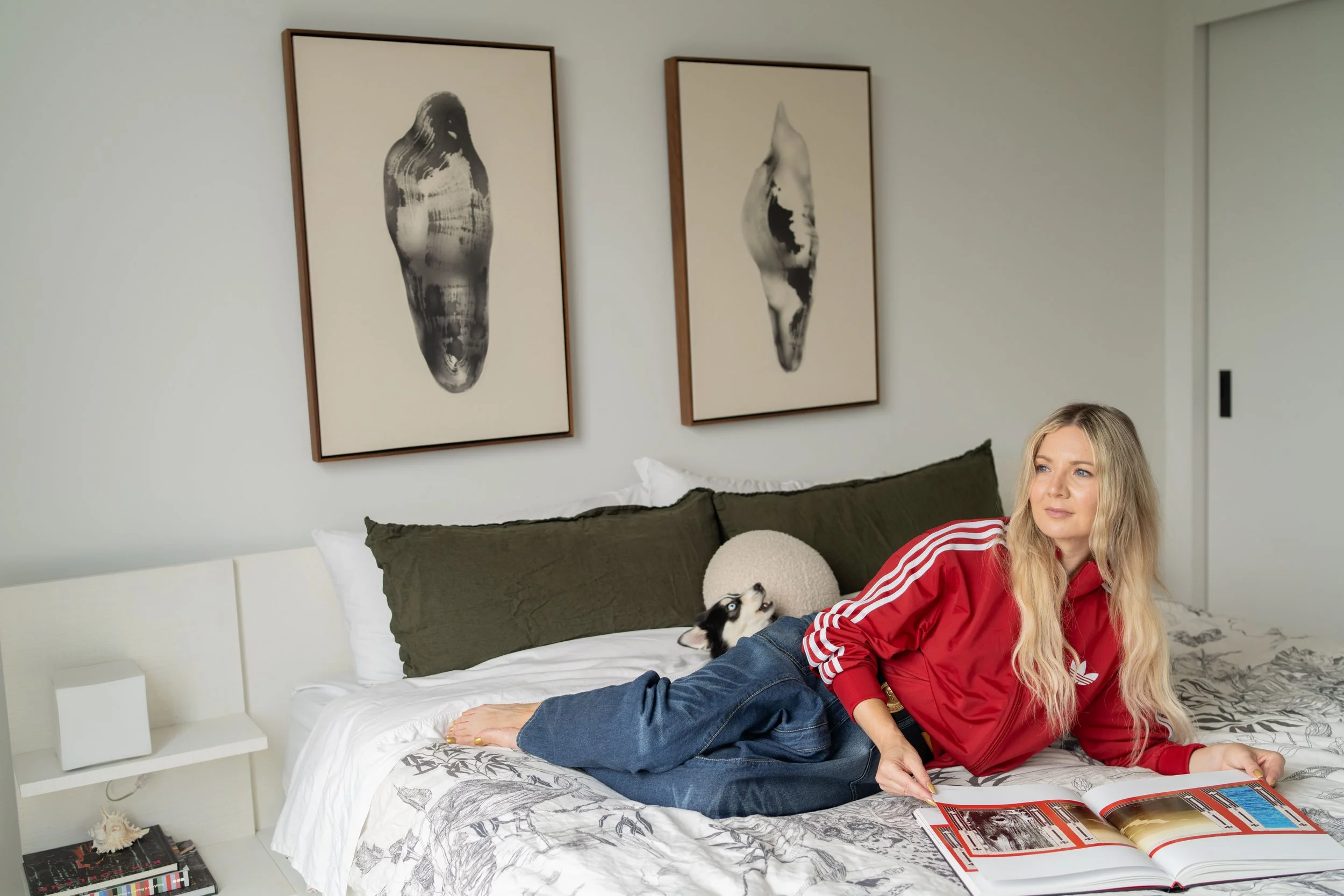
My collection now includes work by Rajni Perera, Timothy Yanick Hunter, Eve Tagny, Cindy Phenix, Ayam Yaldo, Grace Kalyta, Elisabeth Perrault, Chiedza Pasipanodya, Siena Smith, Dahae Song, Caroline Mauxion, Brad Phillips, Michael Vickers and Sami Tsang, among others.
There isn’t one aesthetic connecting them.
Timothy Yanick Hunter samples and remixes archival material to reconsider collective and diasporic memory. Eve Tagny works with handmade paper, soil and other materials to think about land, grief and histories that remain embedded in a place. Chiedza Pasipanodya incorporates family archives alongside steel, silk and other materials to explore displacement and transformation.
Rajni Perera reaches into Sri Lankan histories, mythology and spiritual traditions to imagine entirely new narratives. Ayam Yaldo similarly moves through Mesopotamian heritage, personal memory and acts of reconstruction and world-building.
Dahae Song pushes that relationship with memory somewhere more abstract. She describes her practice as a way of “pushing and pulling time,” using material to give form to things that are otherwise intangible. Her works feel almost like artifacts from somewhere that doesn’t quite exist, asking us to slow down, look inward and consider how we experience a moment even as it is already disappearing.
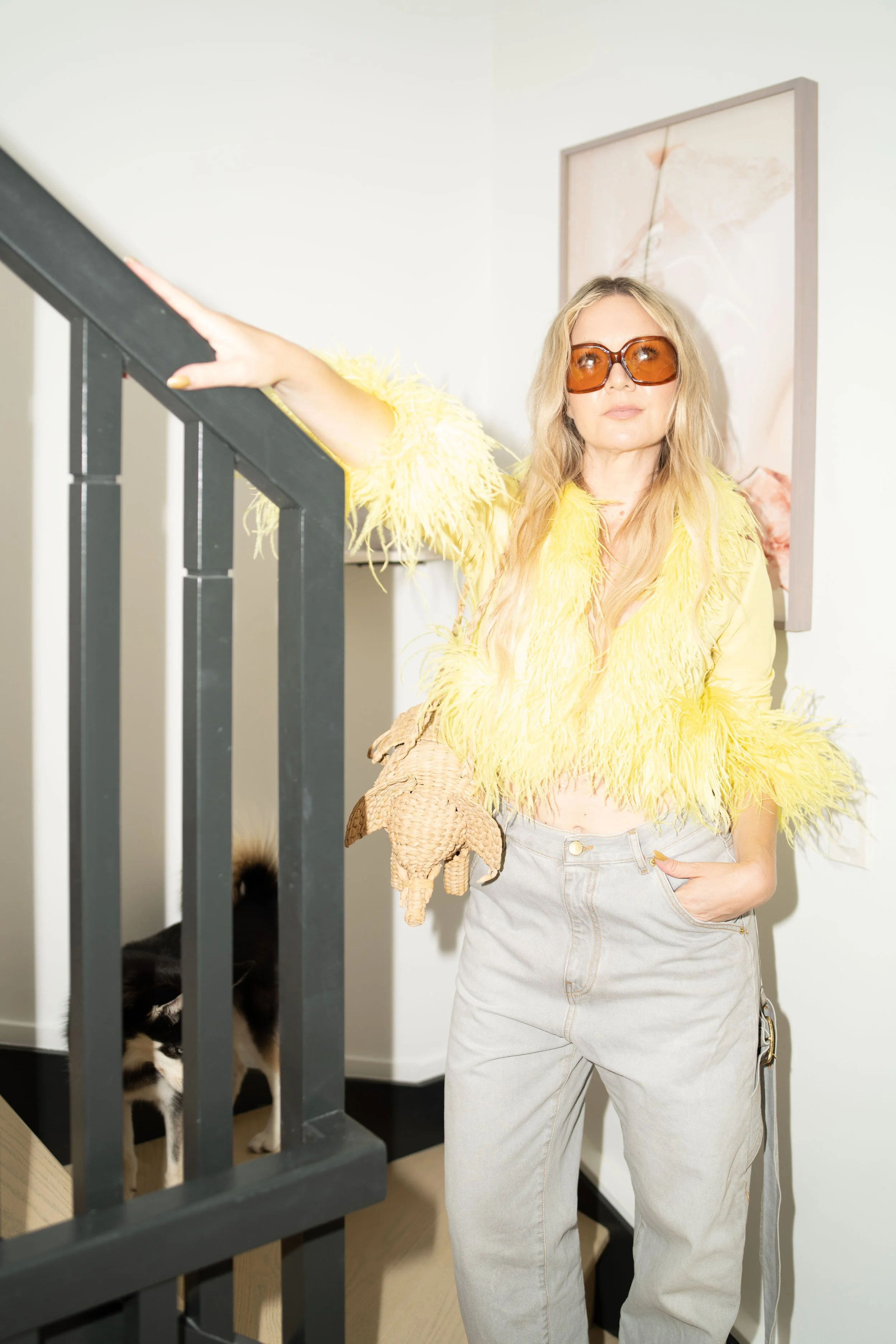
Then there are artists who bring those questions directly back to the body.
Cindy Phenix’s paintings consider feminine experience, power and the complicated relationship between our public and private selves. Caroline Mauxion fragments and obscures the photographed body until it becomes difficult to categorize. Elisabeth Perrault uses textiles, ceramics, hair and found objects almost as substitutes for skin, bone and organs.
Siena Smith uses Jacquard weaving, drawing and collage to explore Black life, womanhood and everyday emotion. Grace Kalyta takes us somewhere else again, into adornment, abundance, status, spectacle and the seduction of objects.
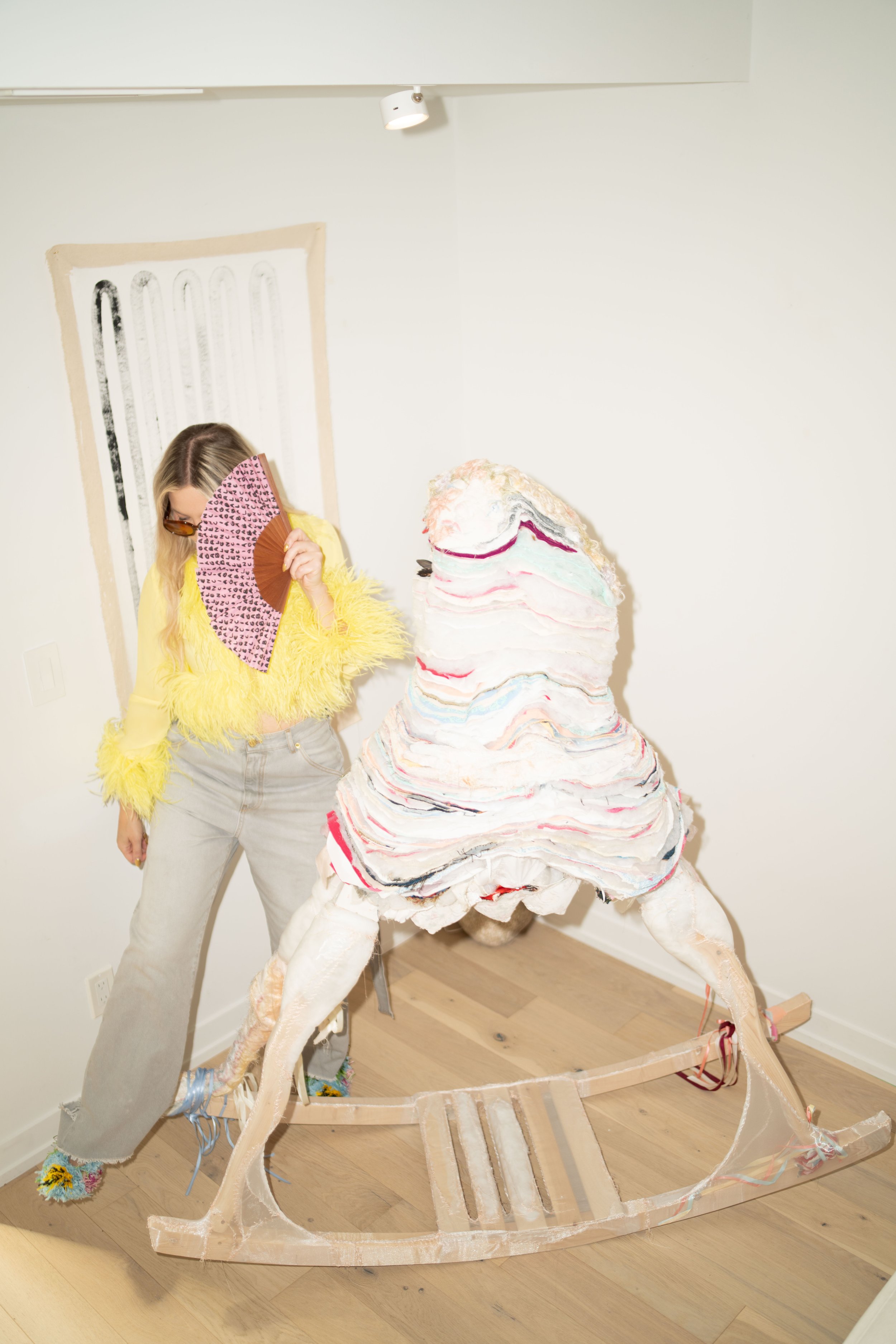
Even the materials start to tell stories.
Fabric. Soil. Steel. Ceramics. Handmade paper. Photography. Plaster. Paint. Found objects.
I love that these materials can carry evidence of where they have been. They can be stitched together, bent, broken down, layered, embellished or completely transformed.
Maybe that is where the idea of memory really sits within my collection.
Not nostalgia. Not simply looking backward.
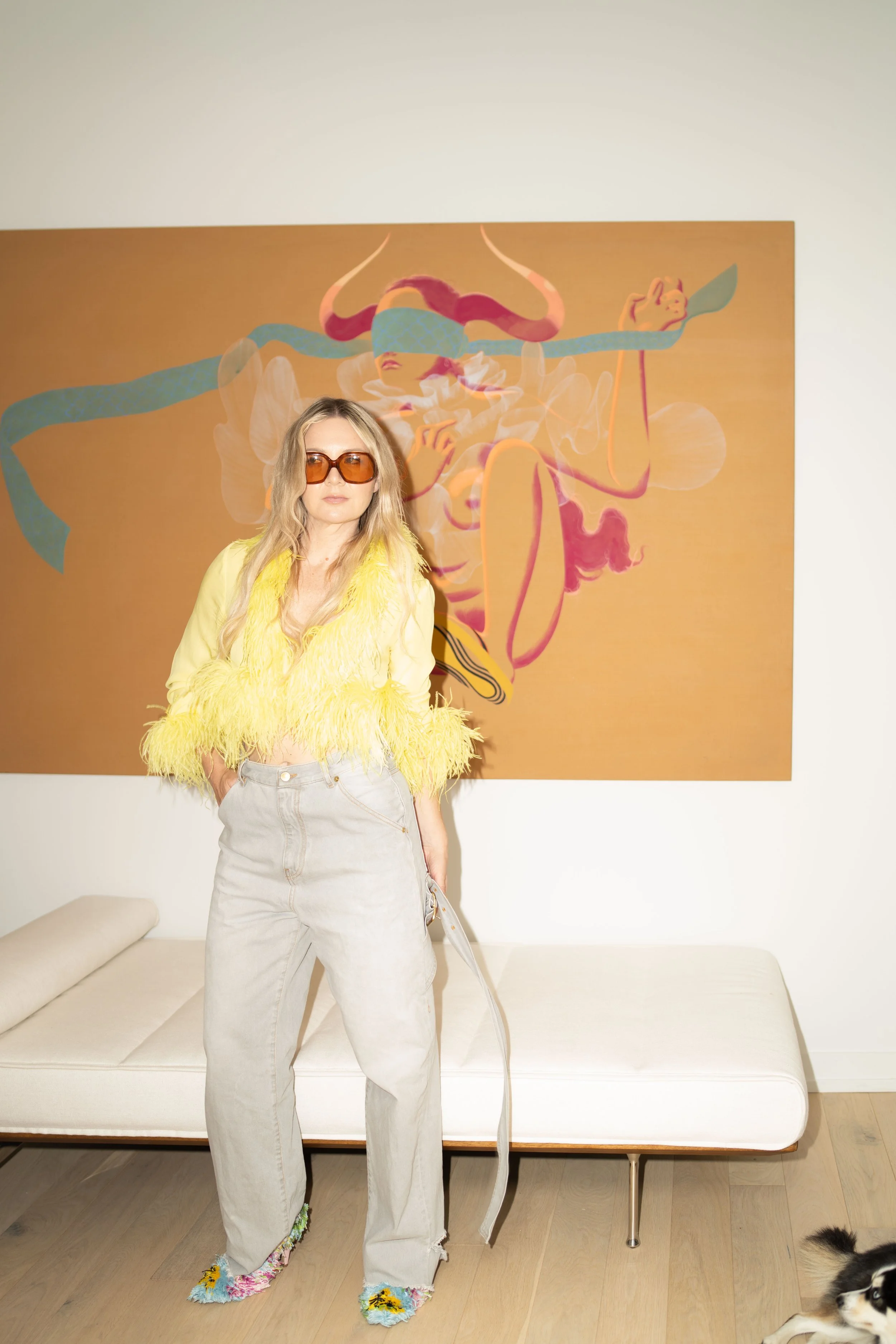
Transformation.
I’m interested in what we do with the things we inherit. What do we keep? What do we question? What do we embellish? What do we discard? And what can we remake into something completely different?
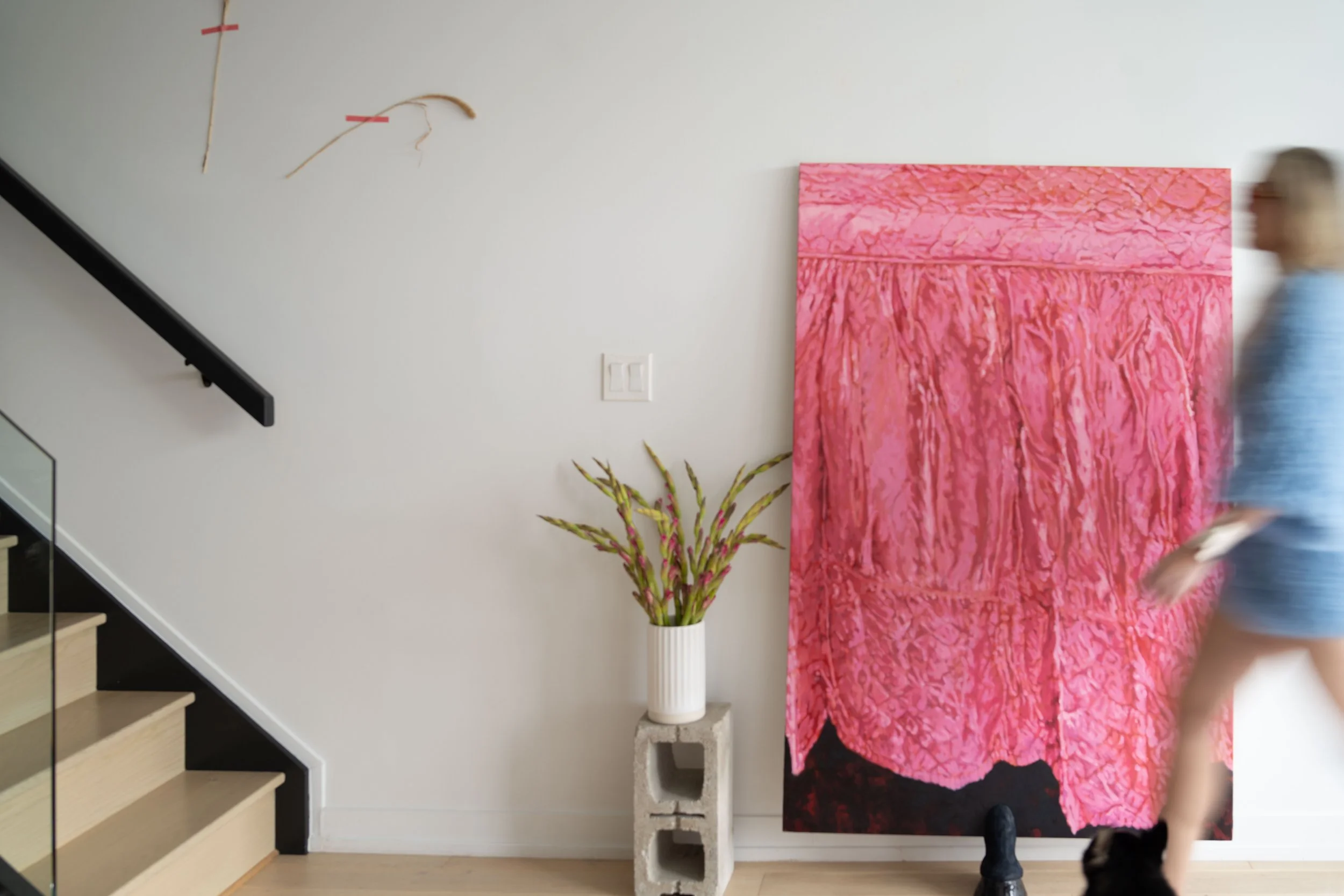
Collecting in a condo
There is another part of my collection that feels important to talk about: I actually live with it.
This isn't art sitting in storage waiting for the right house someday. It's on my walls, leaning against things, occupying corners and competing for increasingly limited real estate.
Living in a condo has inevitably shaped how I collect. Scale matters. Space matters. Every new acquisition creates the very practical question: Where the hell am I going to put this?
But I kind of love that constraint.
It means the works become part of everyday life. I walk past them in the morning. Friends sit beside them at dinner. I move things around. Certain works disappear from my attention for a while and then suddenly I see something in them I hadn't noticed before.
That might also explain why I’m drawn to work that stays slightly unresolved.
I don’t necessarily want a work to tell me everything the first time I see it. I like ambiguity. I like a little discomfort. I like discovering another layer six months or three years later.
And I think that is one of the pleasures of collecting that can get lost when we talk about art primarily through markets, investment or status.
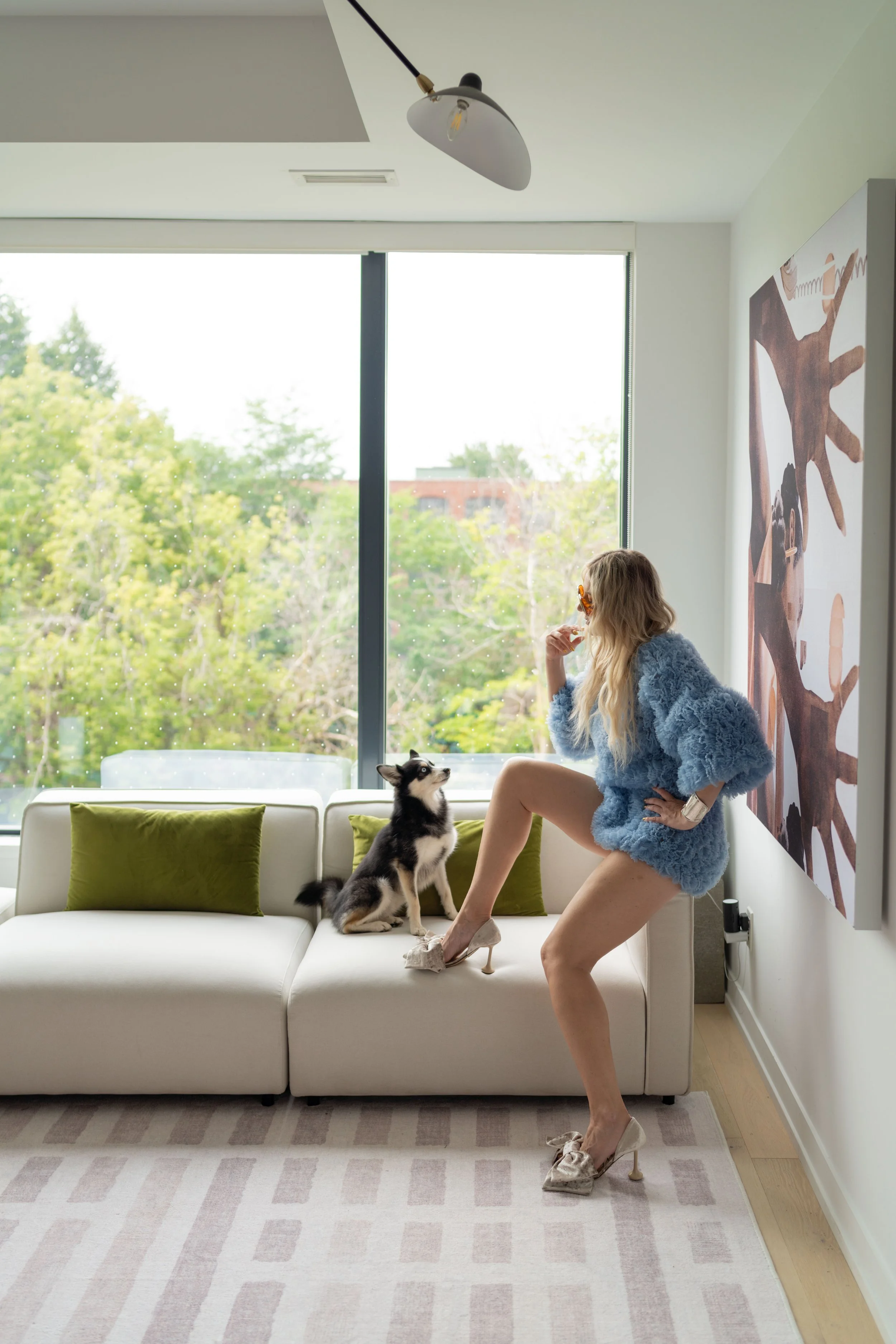
You get to live with ideas.
You get to support an artist whose work you believe in. You get to watch their practice change. And occasionally you get the strange privilege of having an object they made become part of the landscape of your own life.
My collection is still young. There are 26 works today. There will be more, although my walls may have something to say about that.
I still don't know exactly what the collection will become.
That's the part I like most.
For now, these works form an evolving conversation about what we inherit, what we remember and what we have the power to remake.
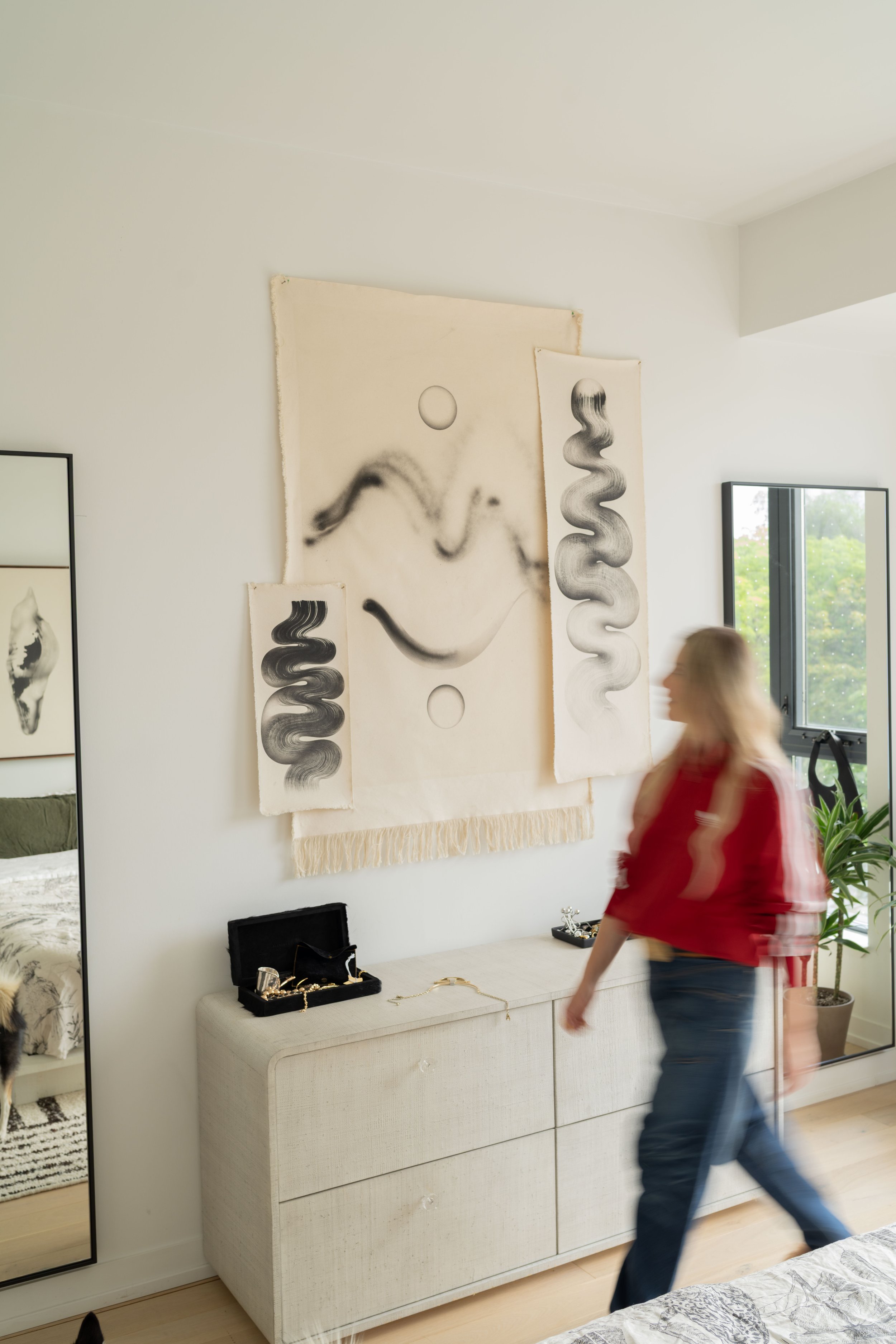
All photos taken by Nat Caine Photography.